- Sunday 30th August to Mekong River, Laos
Today is our first border crossing and we left our hotel at 8.00 am in minibuses to get to the border early as we were unsure how long it would take to get through the process. We had to complete an embarkation card for the Thai authorities and we were then shuttled across the bridge over the Mekong to the Laos Border Post. We had to complete visa applications for the Laos authorities and pay 35 U.S. Dollars plus 1 dollar as it was Sunday. The visas were processed efficiently and we were then collected by a couple of buses for transportation to a simple boat dock to board our boat for the two day journey down the Mekong River with an overnight stop in Pak Beng tonight.
 It is fascinating to be on the boat on the Mekong, initially traveling between Laos and Thailand but then Laos on both sides. While travelling on the boat we have to take off our shoes. It was so peaceful and calming to be on the river slowly making our way down river which is in sharp contrast to the hustle and bustle of the cities.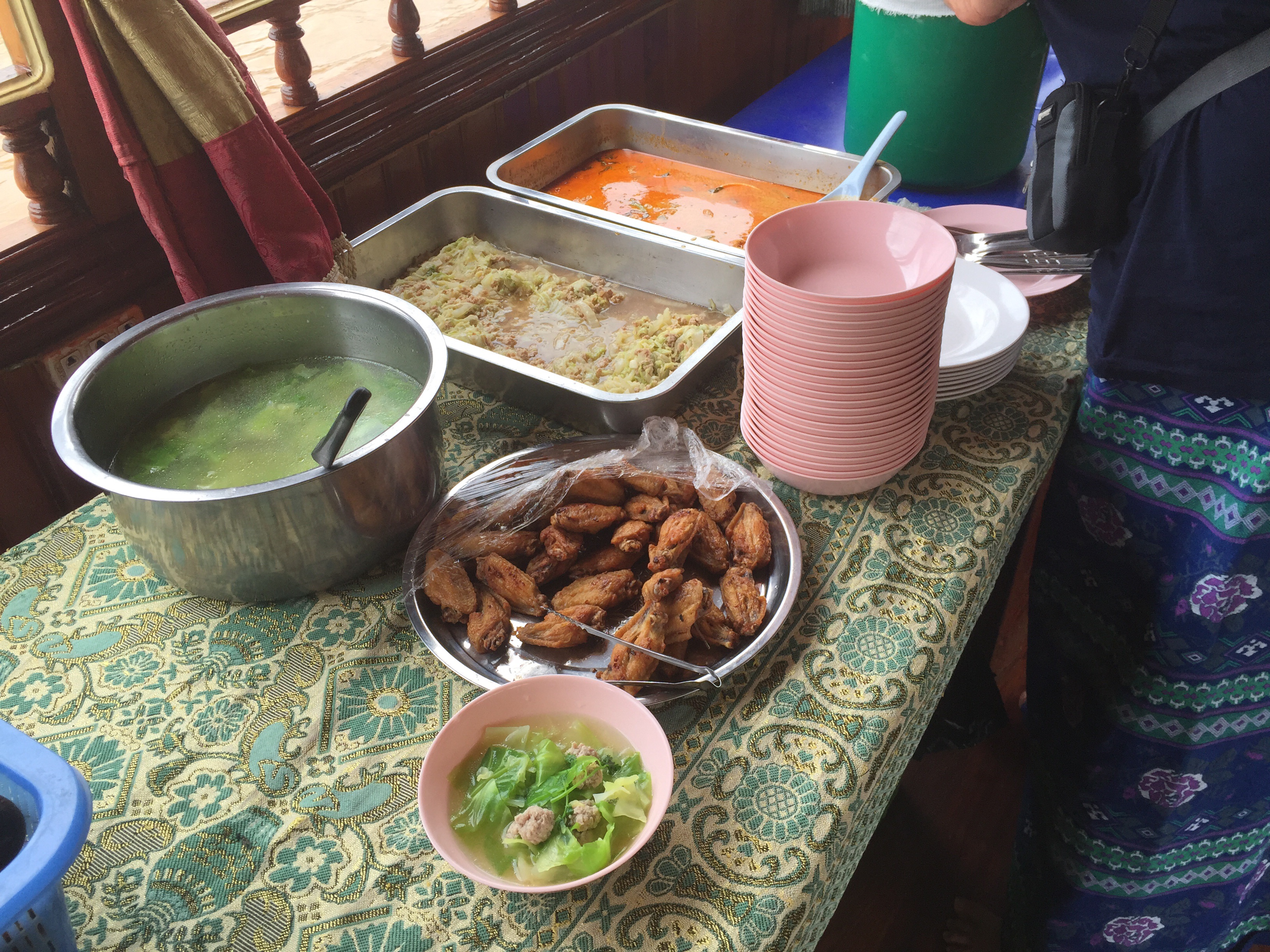

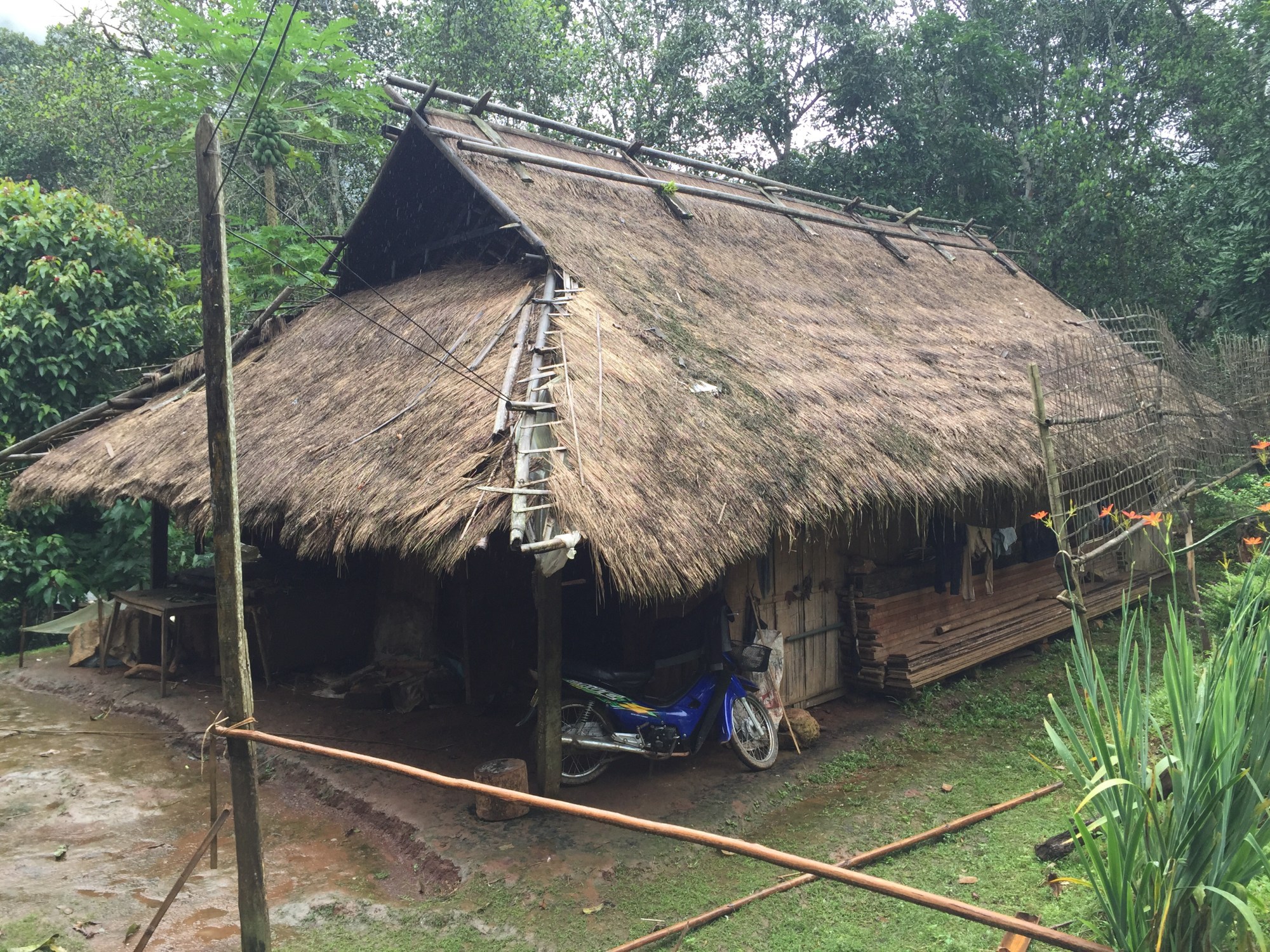
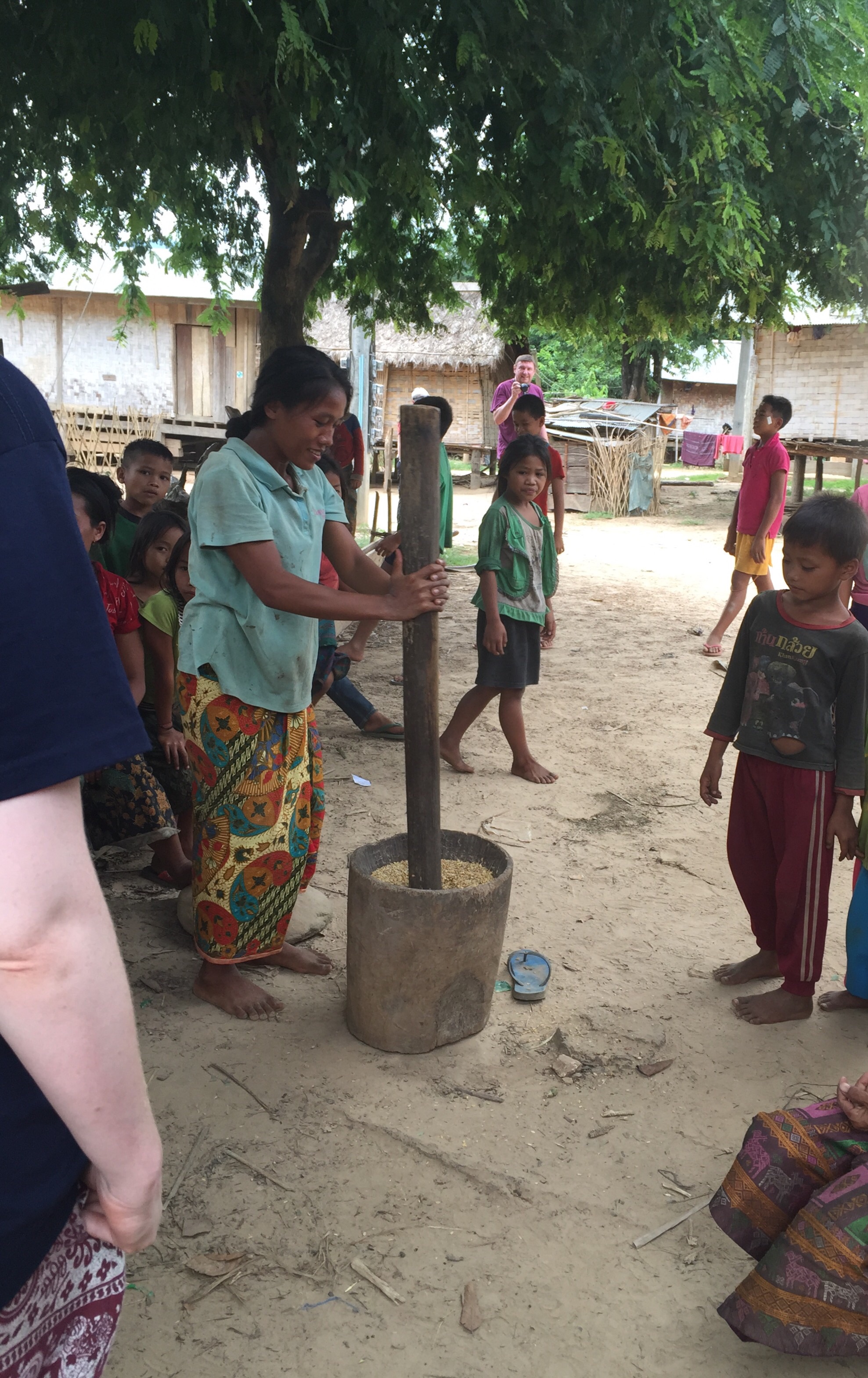
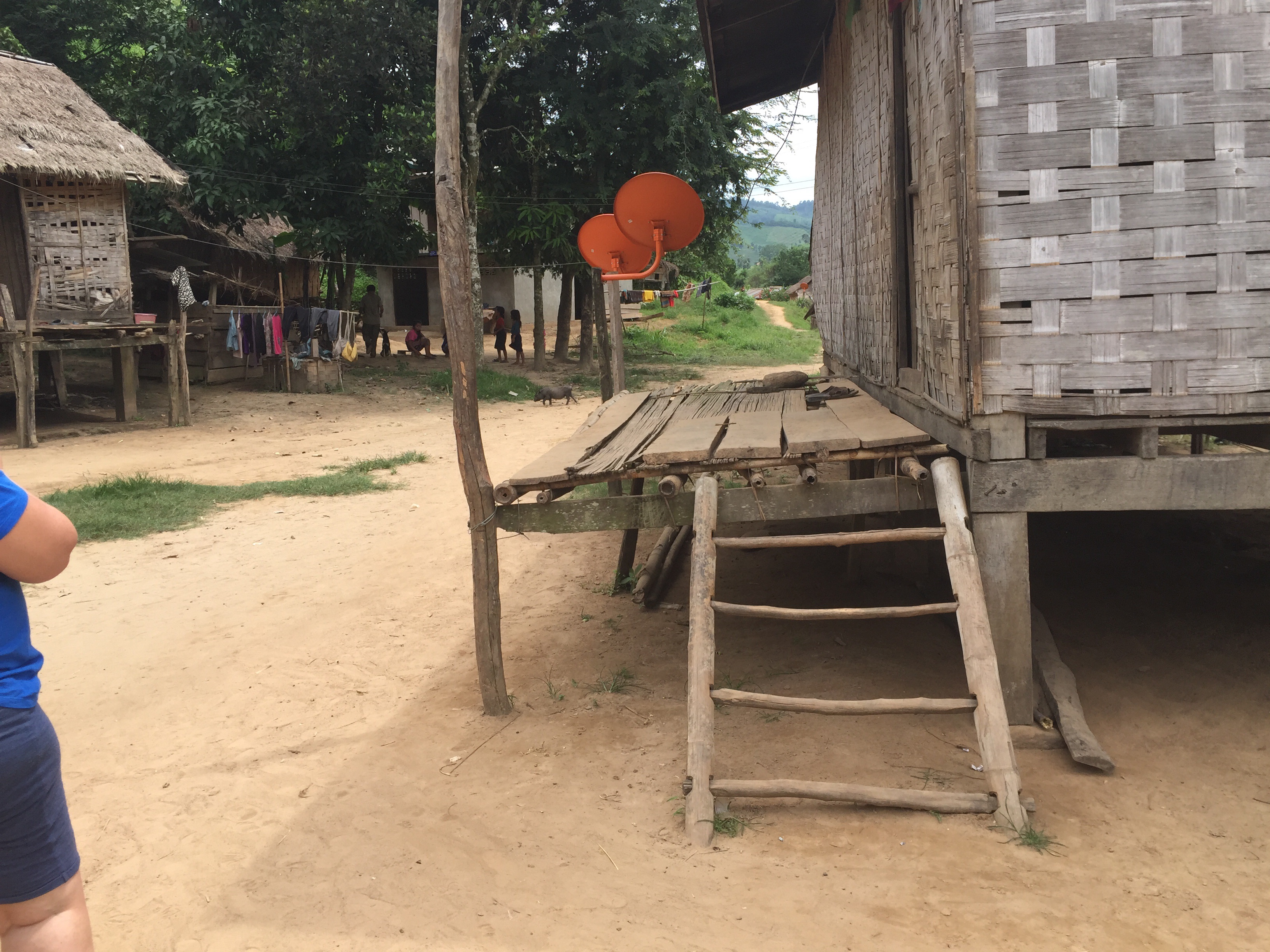
Had lunch on board. After lunch we stopped to visit the village of Hoiand which is home to the Lao Tung people of whom there are approximately 1,000 in this area. Walked through the village, where you notice that it is an amazing contrast of wooden huts and satellite dishes. On the walk up the bank to the village we saw some children playing in a muddy stream and quite happy they were to be playing there.

I photographed the village, villagers, huts, animals and conditions under which the Lao Tung people live. We would consider these conditions as primitive but the Lao Tung appear to be happy especially the children who are somewhat shy.
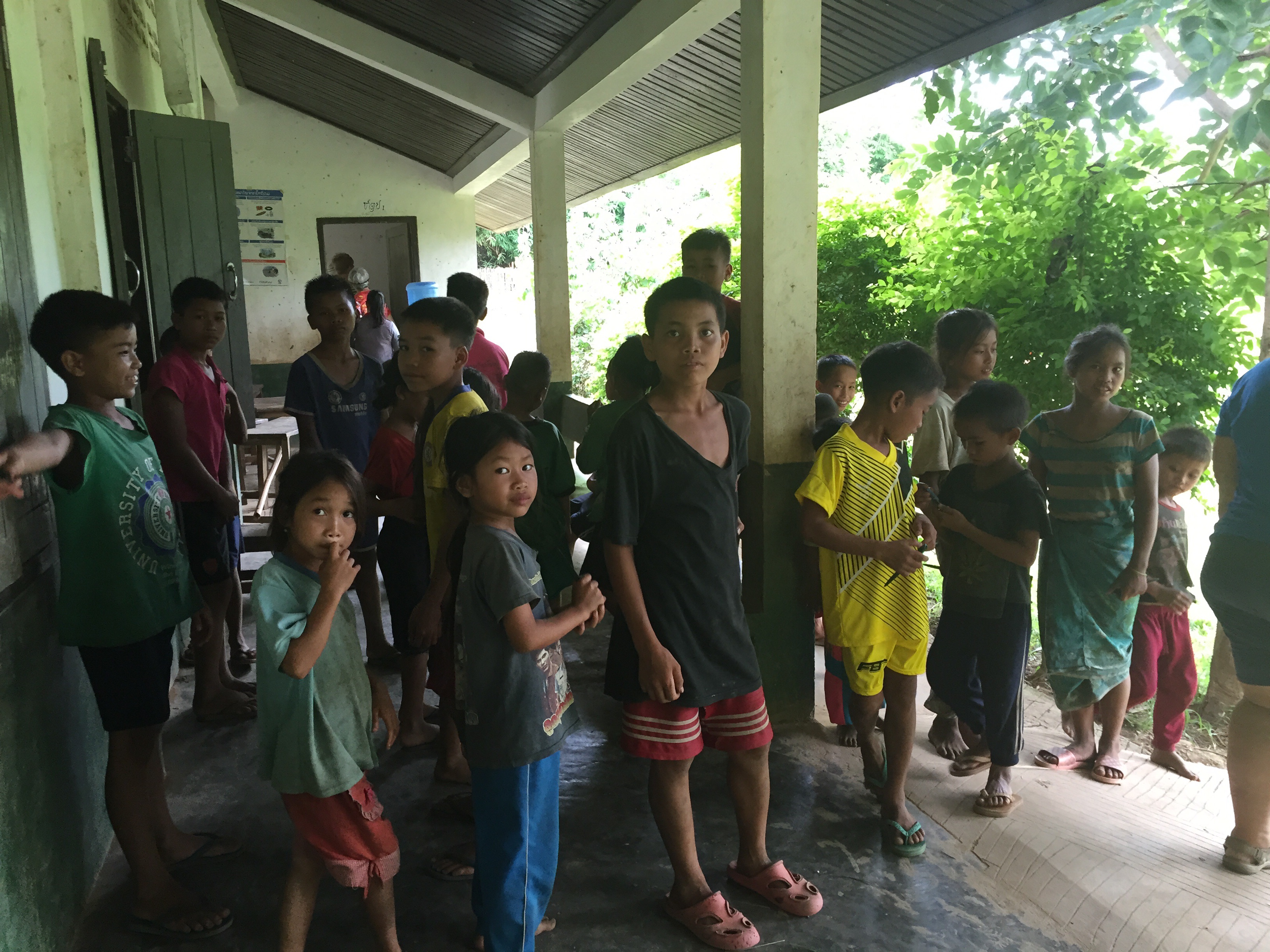 We walked to the village school and the children were extremely proud of the their school so they raced ahead to organise their desks. John presented pens individually to as many children as possible and the children were so thankful. It was a moving experience and I have to admit that I felt emotional for these children thinking of the luxury in which children in Ireland attend school. We spent approximately 30 minutes on this visit and left the Lao Tung people to their lives and existence.
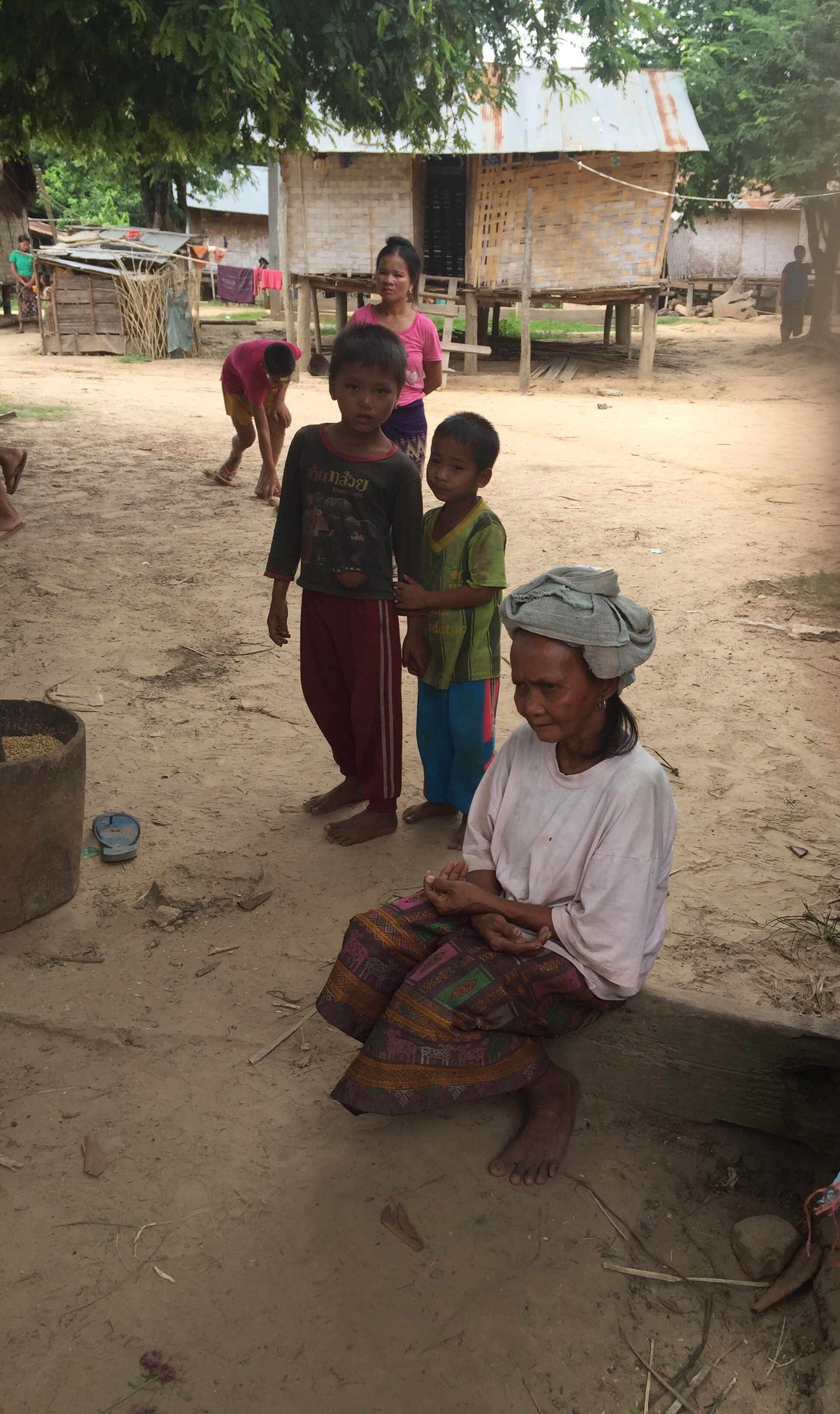

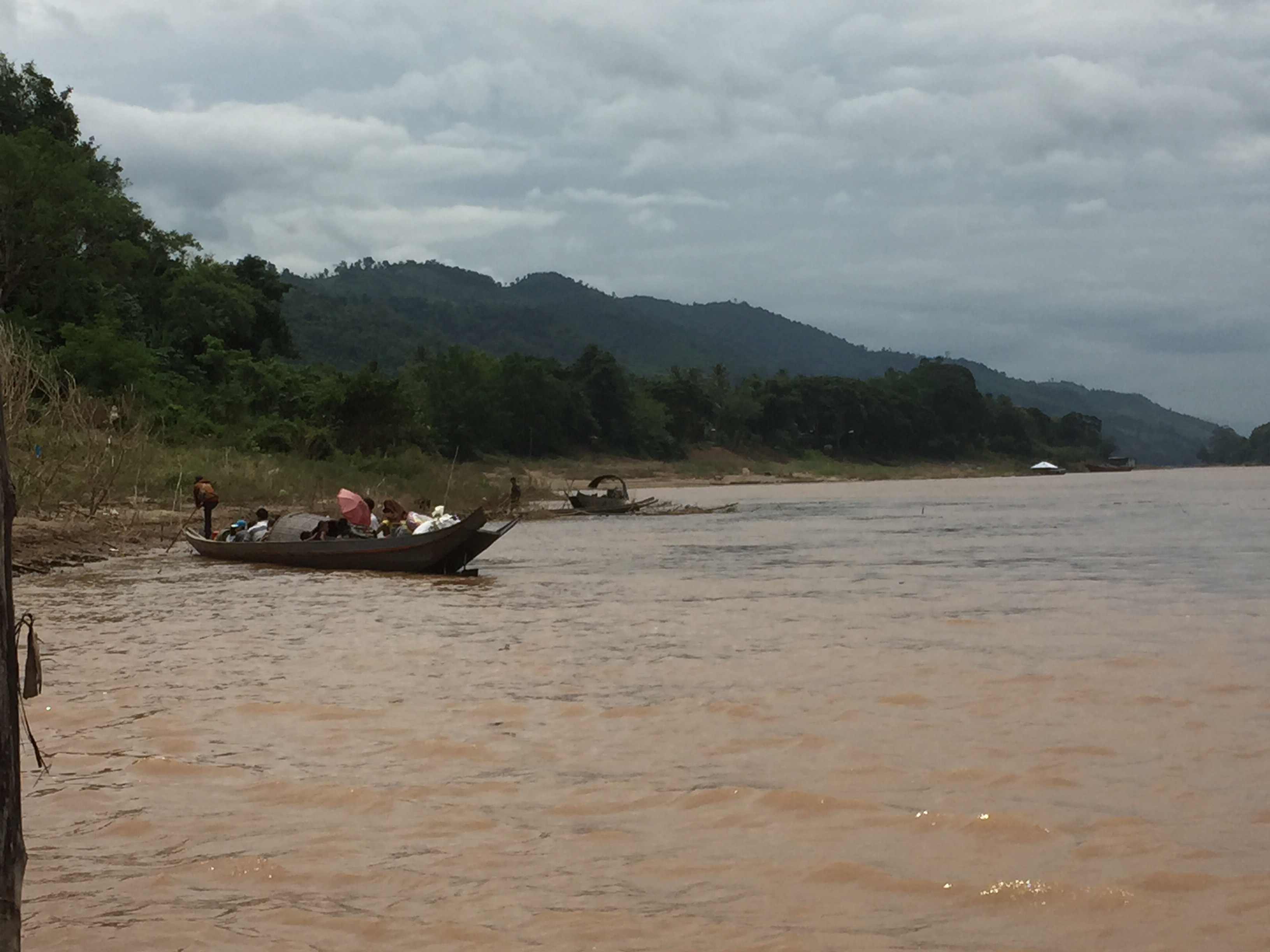 Back on the boat again to head off down the river. The children come to see us off and wave goodbye. The scenery on both sides is lush and green. The river is a highway for the people living in the vicinity of the river with powerboats ferrying people back and forth along the banks, people with their own boats fishing and going about their daily lives and children swimming and playing. The river roils from visible and submerged tree rocks and tree stumps.
Our boat is home to a Laos family mother, father and 4 children. We also have a Laos guide traveling with us at present. The 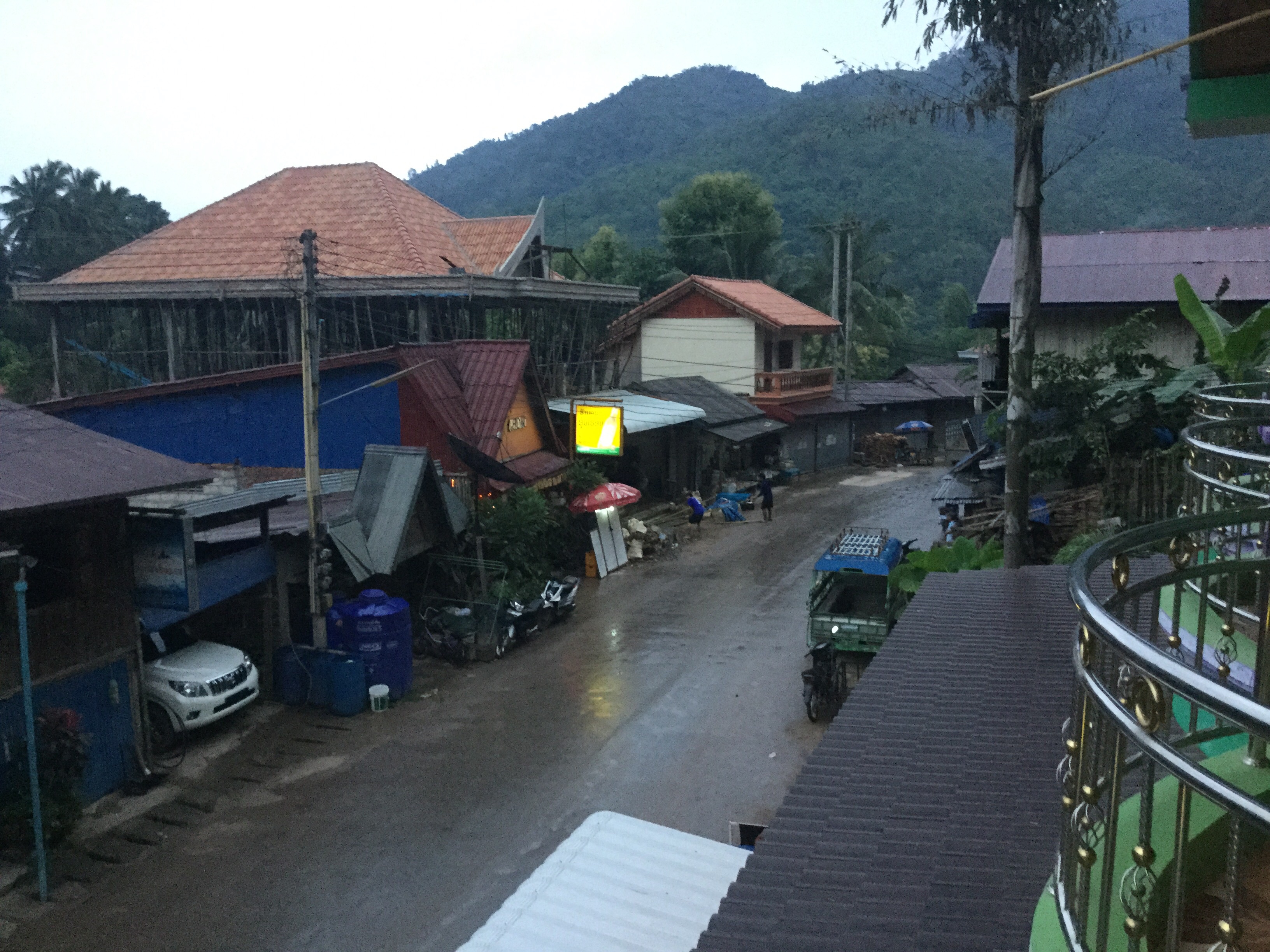 Me kong is brown in colour and not very deep at present. Looking to the banks you can see villages where there are no roads and therefore the Mekong is the only lifeline to these villages apart from tracks heading back over the hills to other inland villages. Traveling along the Mekong brings me back to my youth and memories of the Vietnam war. Arrived at Pak Beng and we had to form a human chain to transfer our bags from the boat to the bank before carrying them through the village to our guesthouse “Phonemani” for the night.
 The most unusual fruit I have seen on our trip so far is the Rhambutan which is like a colourful sea urchin. It is related to the lychee and when peeled it is about the size of a grape.
As this this is the rainy season we had no sooner settled in our guesthouse when the heavens opened and we had a long torrential rain shower. So ended our first day in Laos.
Monday 31st August Pak Beng- Mekong River – Luang Prabang

Up at 5.40am this morning as we are leaving the guesthouse at 6.30. We walked with our backpacks down through the village which was a hive of activity. There were a number of bakeries, restaurants, shops, and coffee houses open. We again had to form a human chain to get our bags onto the boat.
The forest of either side of the Mekong is shrouded in cloud and looks ethereal. Once again people are active on the river and numerous fishermen are out in their boats. As we progress down the river you can see people on the banks going about their daily
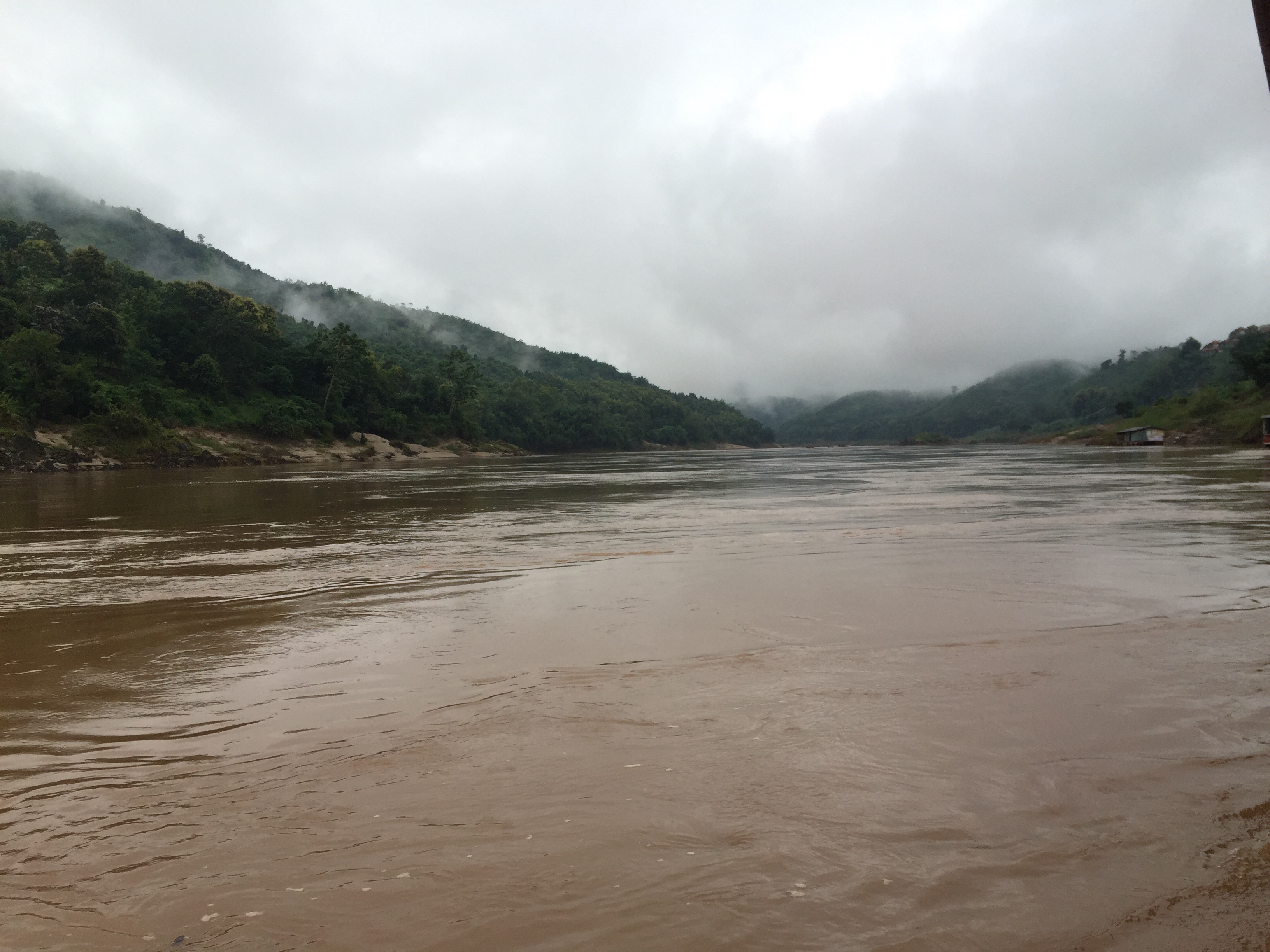
lives in the villages in the forest with no roadways or electricity. The people we meet are happy and contented.
A considerable amount of rain fell last night and though this is the rainy season this was the first serious rain which we have experienced. The journey down the Mekong is is a real privilege as we are getting an incredible insight into the lives of people who are living a life relatively unchanged for hundreds of years but with some influences of the modern world. People are living in villages along the riverbanks, in the forests, farming the slopes, planting crops, fishing, children swimming and playing in the river or on the sandbanks.
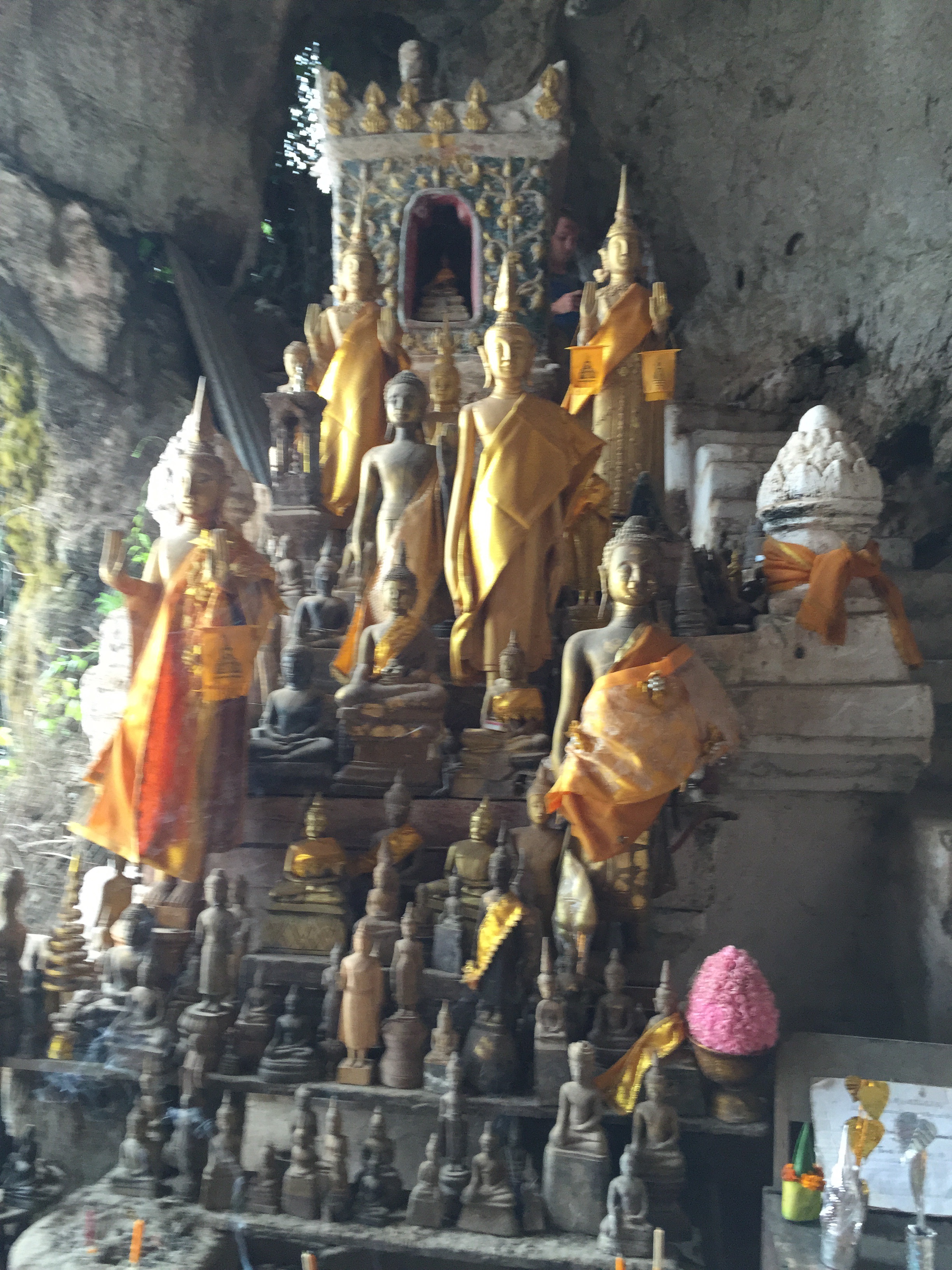 As it is the rainy season we experienced another monsoon downpour and the plastic covers had to be let down as the sides of the boat are open. We continued down the Mekong in the rain until we reached Tham Ting Cave which is a Buddhist shrine where thousands of pilgrims have left statues of Buddha in the cave. The story of the cave is that at one time it was a location where the spirit of nature was worshipped but was converted to a Buddist Shrine when Buddhism spread to the area. This was a fascinating place to stop as it is amazing that it is a place of worship considering that it is so far from civilisation.
When we arrived at our docking point to disembark and transfer to our hotel it was monsoon weather. We had to form a human chain to carry our backpacks up the riverbank to our Tuk Tuk taxis. We piled all our luggage and bodies into the Tuk Tuks and at this stage we were soaking wet. Our hotel for the next two nights is the Villa Mahasok in Luang Prabang and the hotel is situated close to the centre of town and the markets and restaurants.
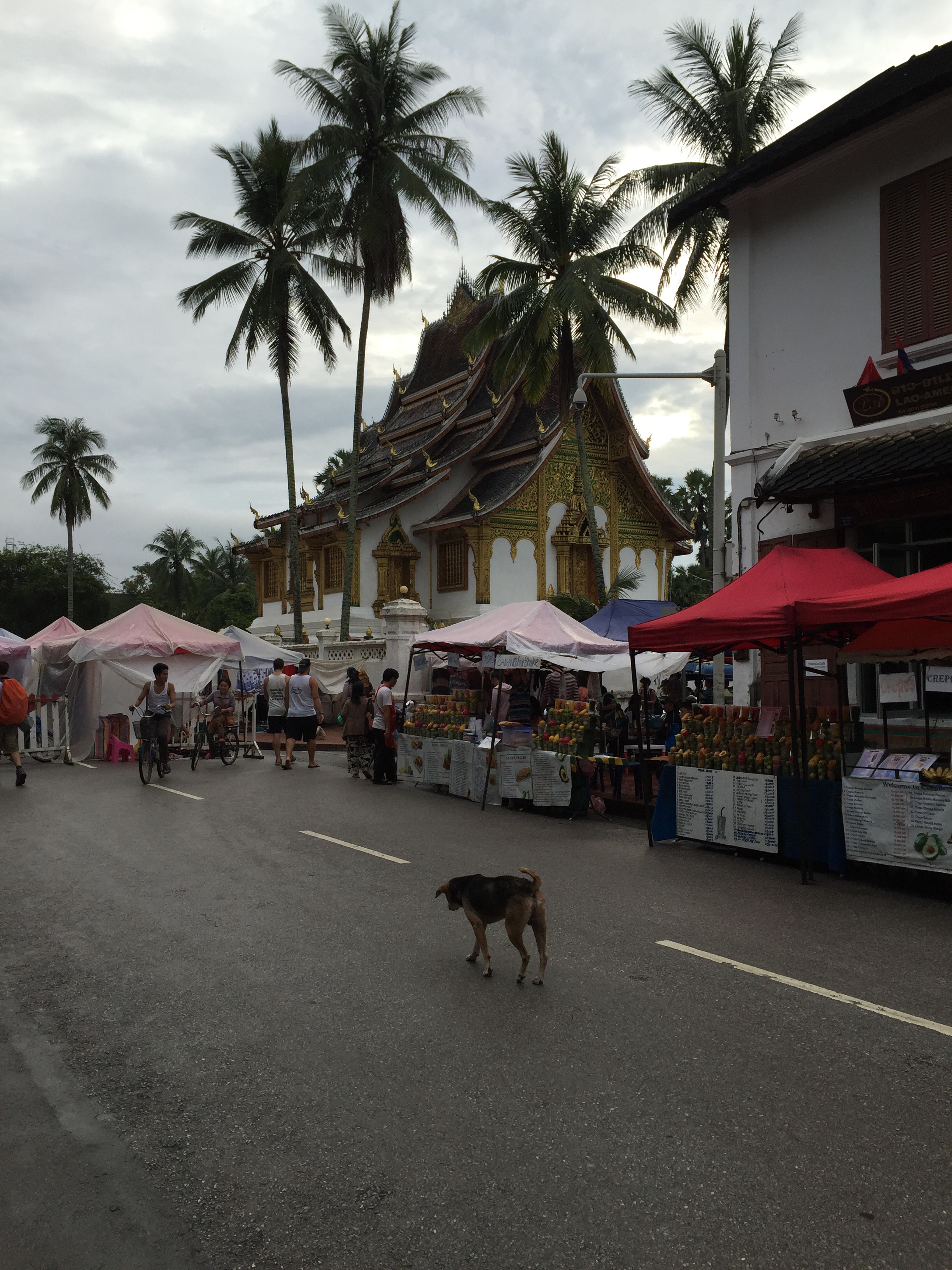
At 5.30 pm some of the streets are closed and taken over by street traders who use pop up gazebos to display their merchandise which they set out on ground sheets on the street under the gazebos. There is a considerable quantity of similar items for sale, clothes, jewellery, ornaments, wall hangings and food.
That evening three of us decided to go to a local restaurant by the name of Tamarind which was recommended in terms of good quality local food. This was a lovely restaurant and the staff were friendly, helpful and spoke English. We decided to sample a set local menu which the three of us could share.
There was also an adventurous menu but this required 24 hours notice to allow the restaurant to gather produce from the local market and prepare the food. Included in this menu you would have animals and animal parts which you would not normally see on menus, bats, insects, snakes and animal uteruses.

Our meal started with a drink of Lao Lao with ginger which reminded me of poteen and had a neat kick. We then had a Bamboo Soup which naturally had bamboo shoots and also a variety of vegetables.
q,x Next we had a selection of Lao Sausage, buffalo meat, river seaweed, some cucumber and sticky rice with three dips, tamarind, spicy tomato, and avocado.
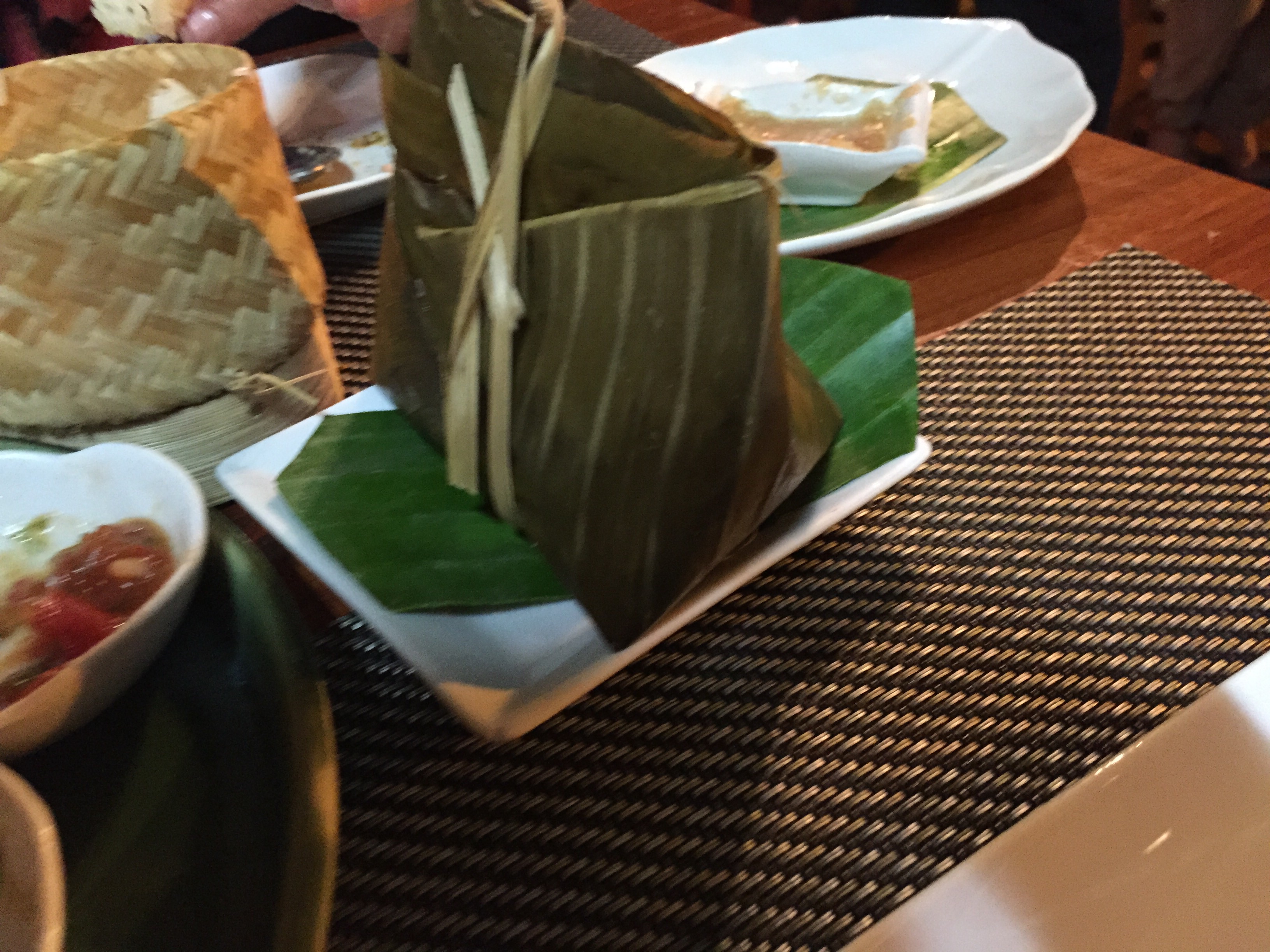
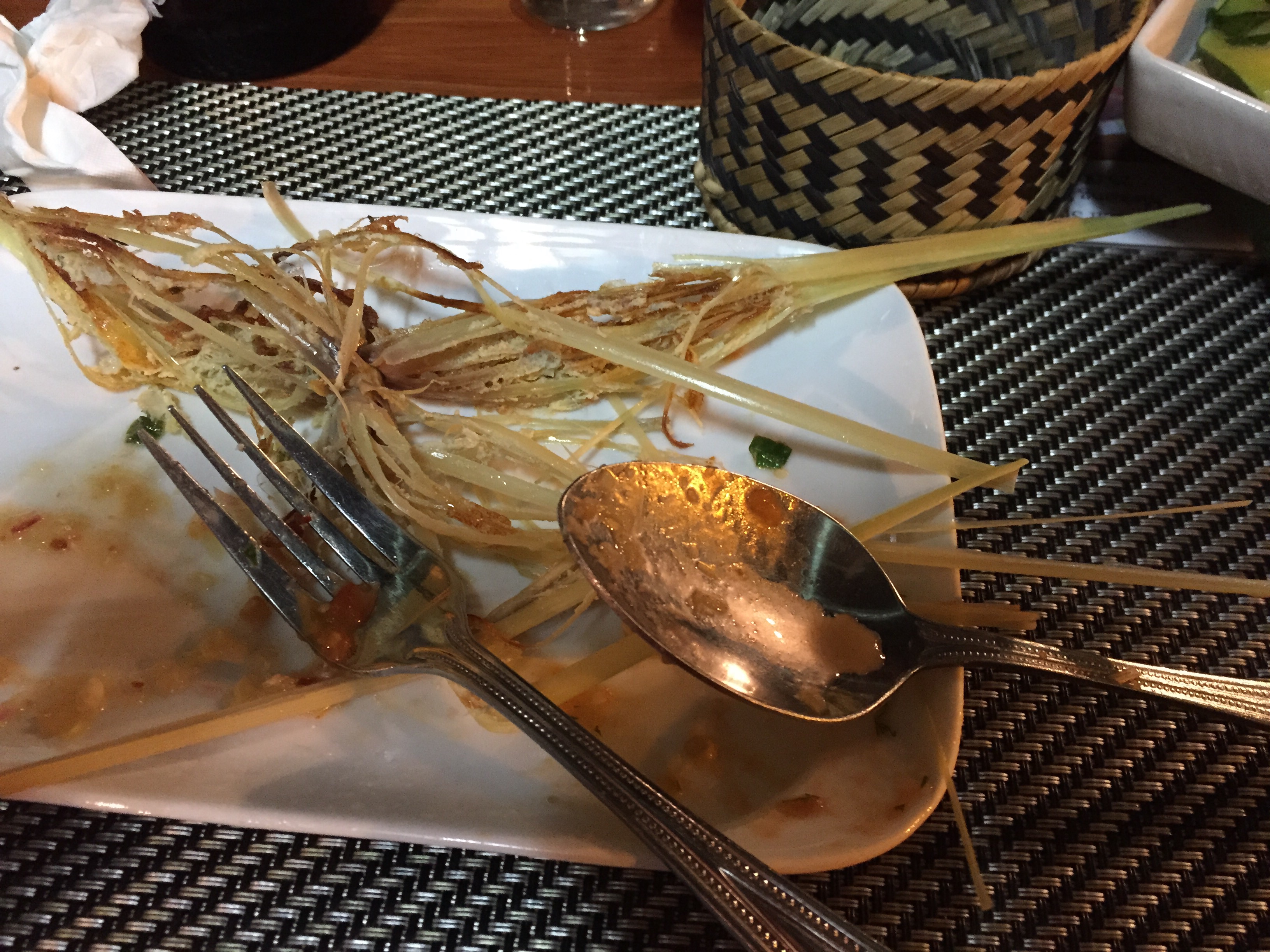 Our next course was Lemongrass Stalks stuffed with chicken and Steamed fish in Banana Leaf. For dessert we had a Tamarind dish known as Cats Pooh.


The local currency is the Kip and the rate of exchange is 8,155 Kip to 1 U.S. Dollar. The Thai Currency is the Baht and the Exchange Rate was 35 Baht to 1 U.S. Dollar.
Tuesday 1st September Luang Prabang
Up early again this morning as myself, Kelly, John and Joanne had signed up for a trip to visit the Hill Tribe Villages. We had a driver and a guide and the four of us travelled with them in a 4 wheel drive vehicle.
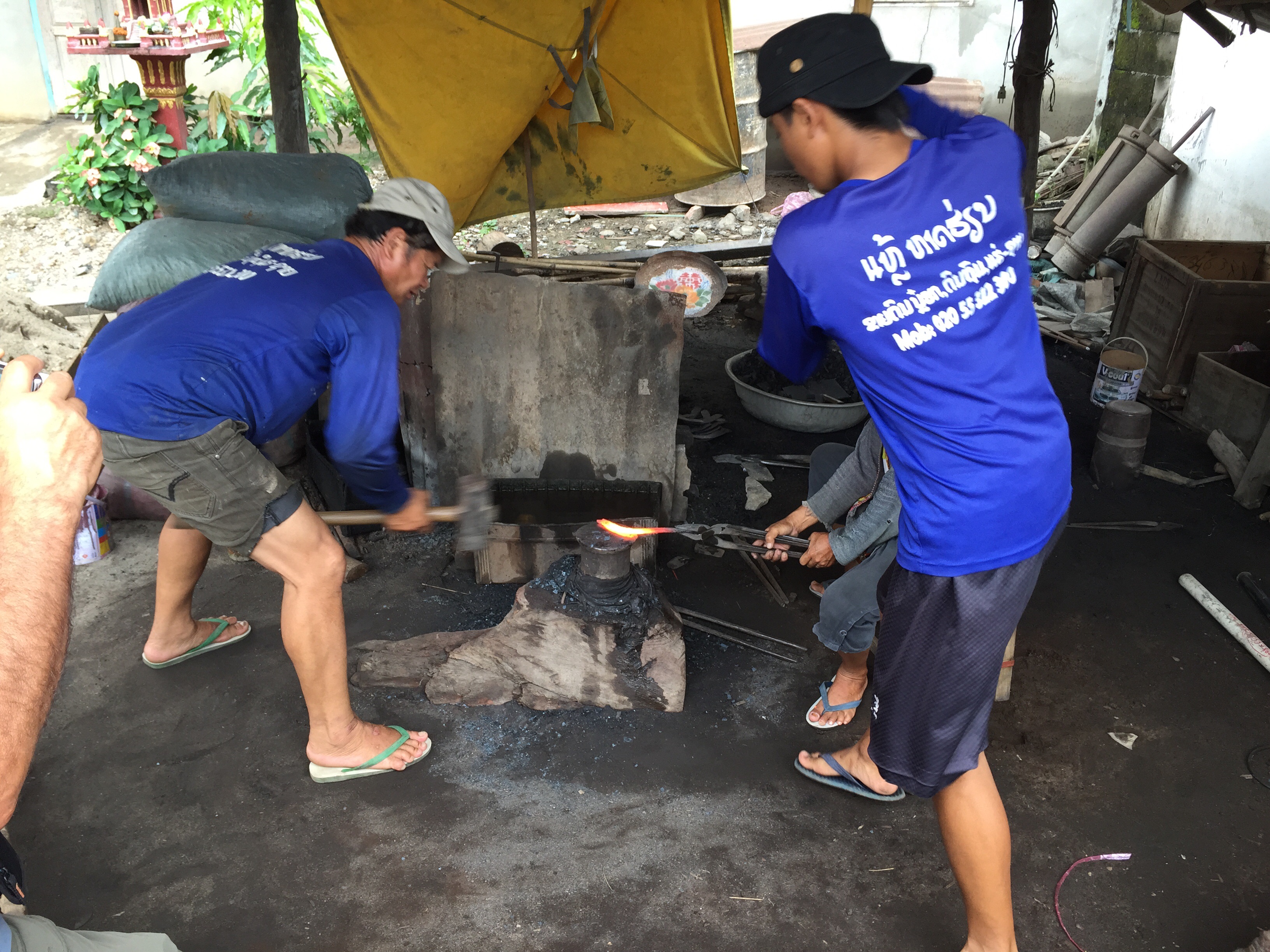 The first village was on the outskirts of Luang Prabang and we were taken to a forge where a family, mother, father and son were making knives and sickles. The sickles were used for harvesting rice. The best quality knives cost 150,000 Kip or just over 18 U.S. Dollars. This was a traditional blacksmith operation and the skills displayed were incredible. The timing of father and son was perfect in using sledgehammers to fashion the molten metal beat on beat. Our driver bought a knife and received a discount of 30,000 Kip.


We moved moved on from this village and headed further up into the hills. We were now off-road and the conditions of the tracks had been affected by the recent heavy rains. The tracks were wet, muddy,
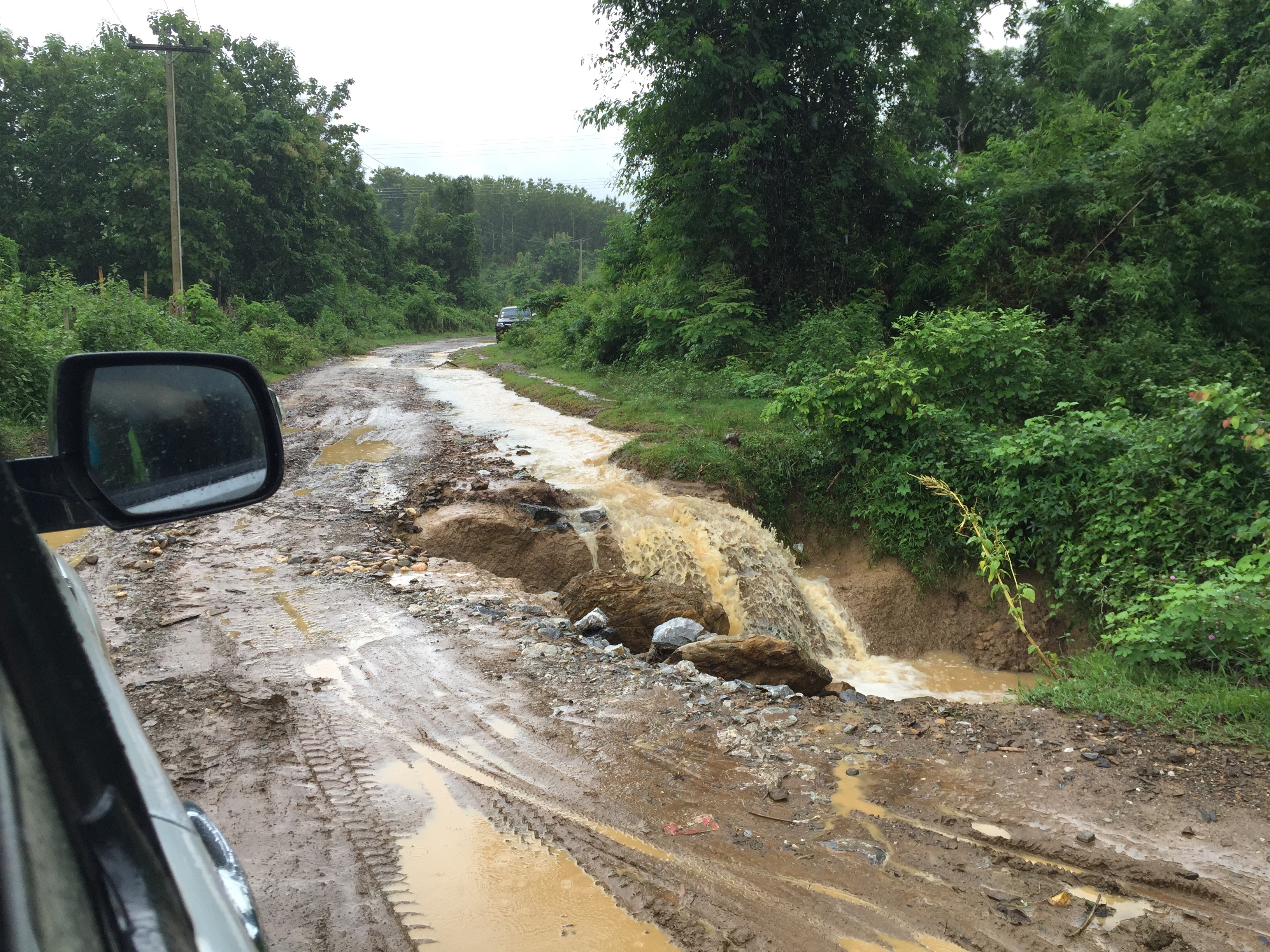
deeply rutted, and parts of the tracks had been washed away but not enough to prevent us from passing. The local population were walking or using motorbikes to travel and some were transporting harvested produce down to sell in Luang Prabang. Even though

there was considerable rain people were working in the paddy fields as it is harvest time.
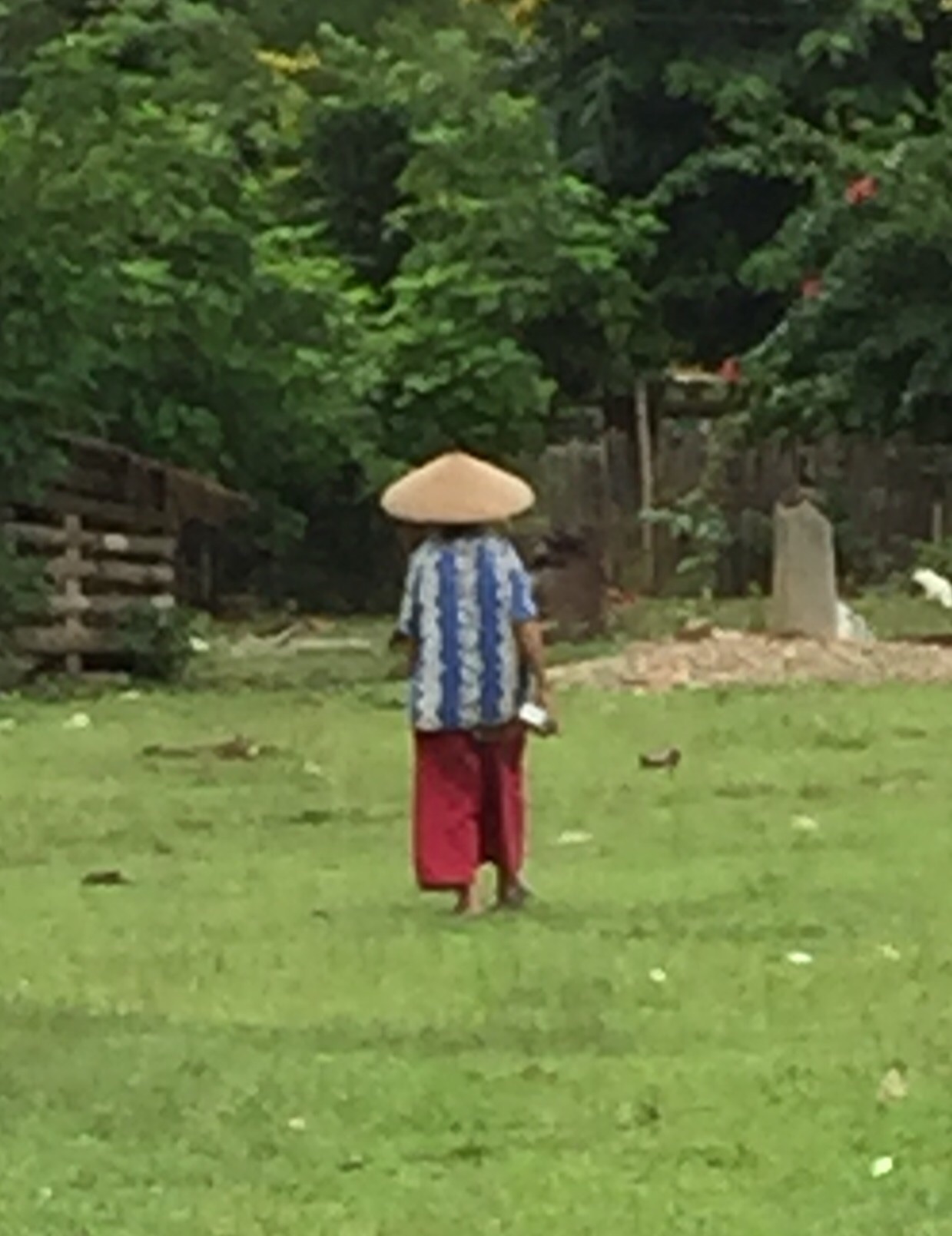 The next village was a combined Hmong and Khamou settlement with the Hmong people having moved down from higher up in the hills.
 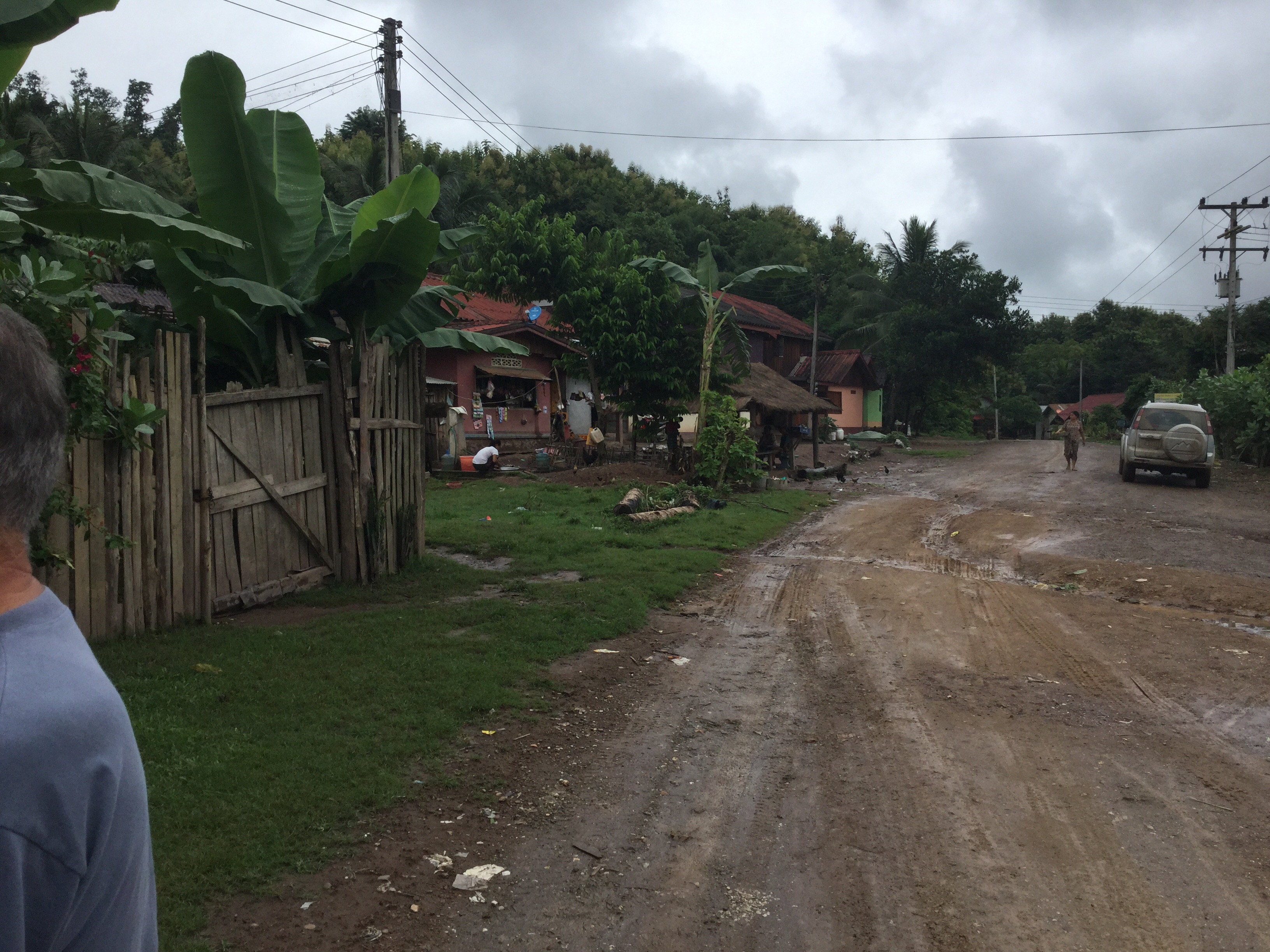 The Hmong homes are identifiable as they are traditional bamboo houses but many of the Khamou (pronounced Camel) had new brick houses as the government has a replacement
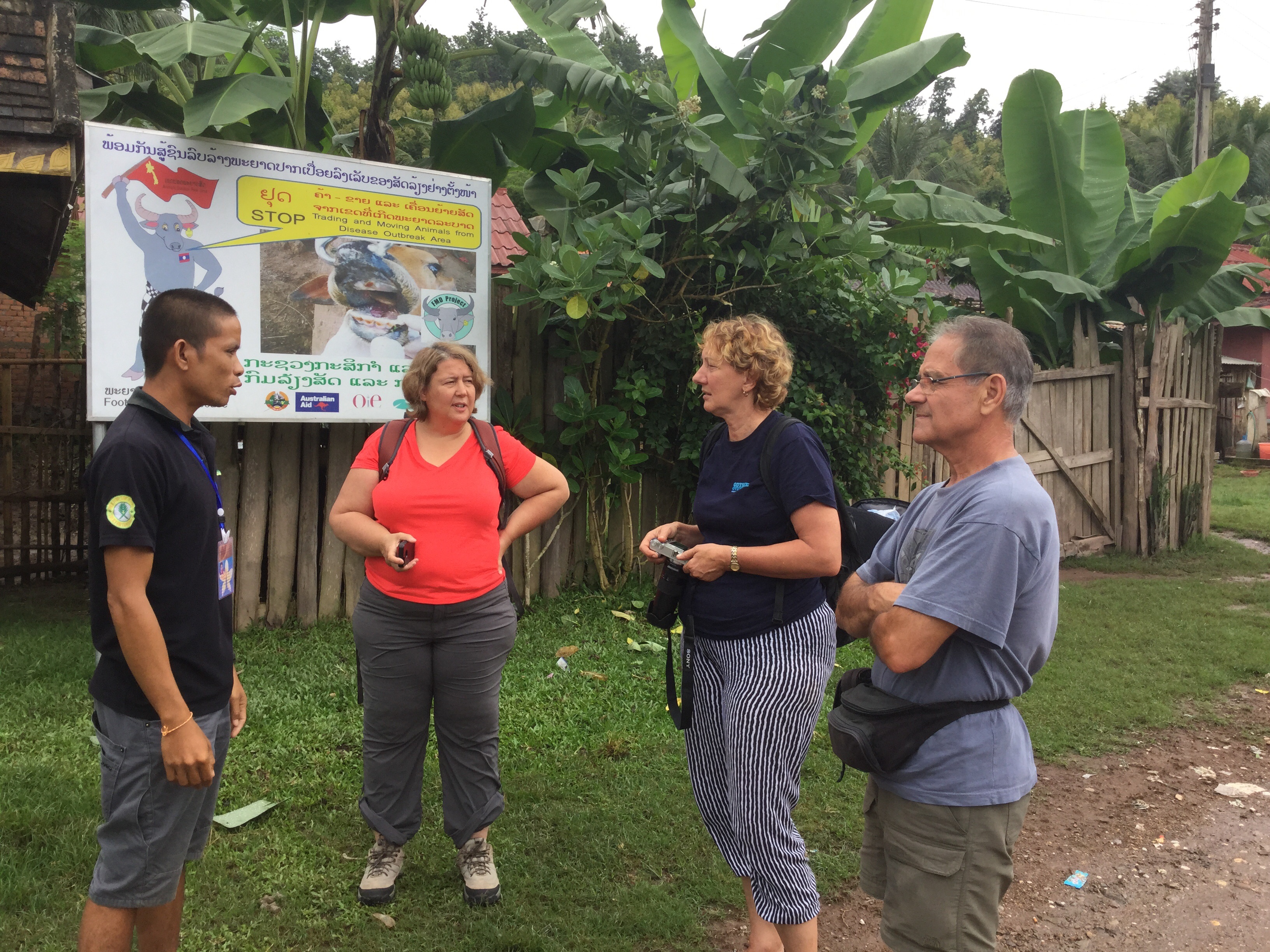
program In place for housing. There are also government advisers operating in these villages providing guidance on agriculture and farming practices as there appears to be regular foot and mouth disease outbreaks.
In this village a new school has been constructed and today is the first day of the new school year. In general schools are newer buildings and children normally attend school wearing a uniform of brilliant white shirts/blouses and black pants for the boys and skirts for the girls. The only place where uniforms are not seen was in the hill tribe villages further up the mountain. These villages also have basic medical facilities and visits by doctors and nurses.
People are living traditional lifestyles in these villages with some impacts of the modern 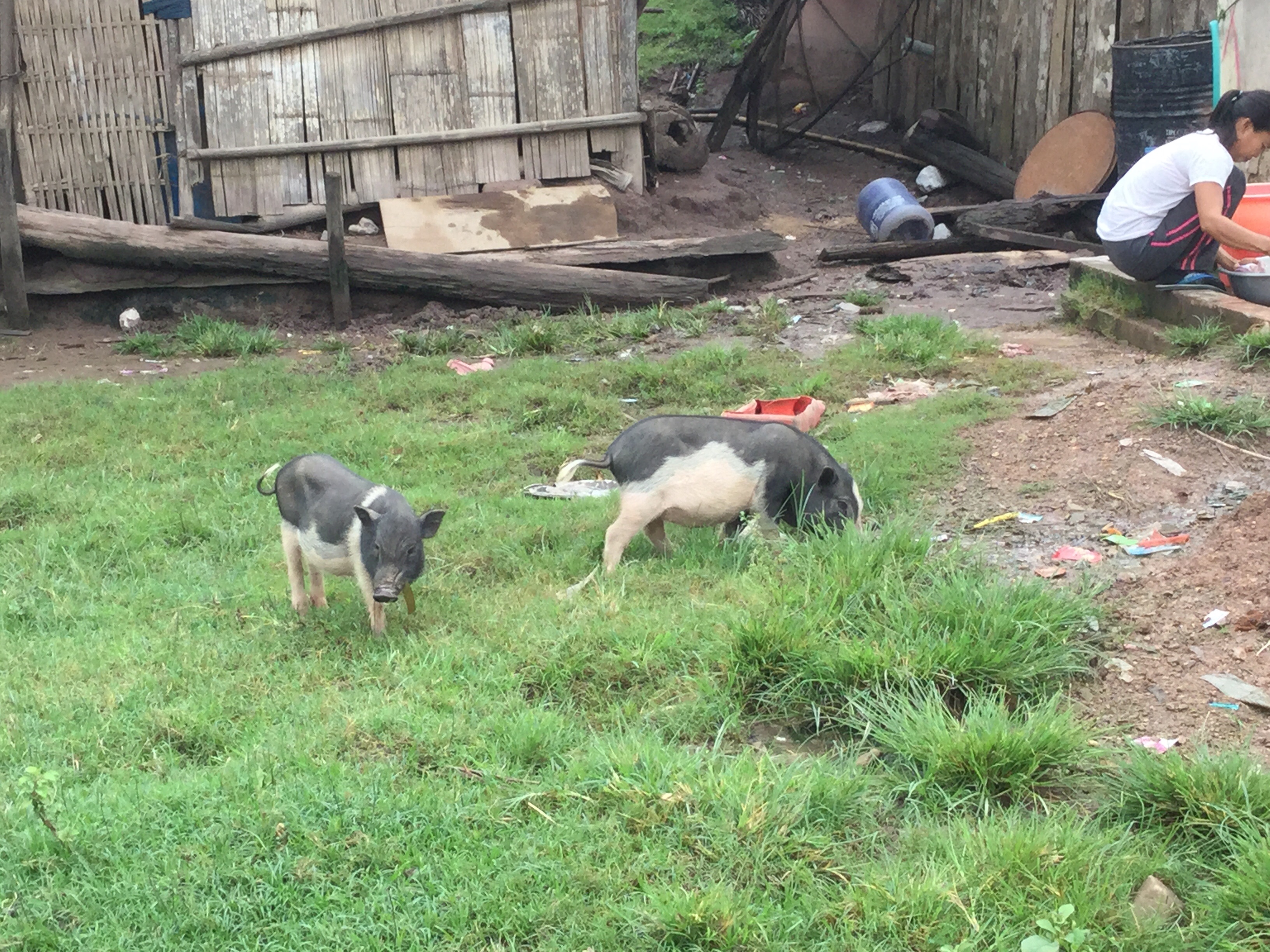 world such as some electricity, satellite dishes and some modern foods, snacks and drinks.
After this village we traveled a long distance up the mountain to a Hmong Village. On the

way we passed a farmer and his wife who were grazing their cattle on the long acre. They were still there on the road when we were on the way back down a few hours later.

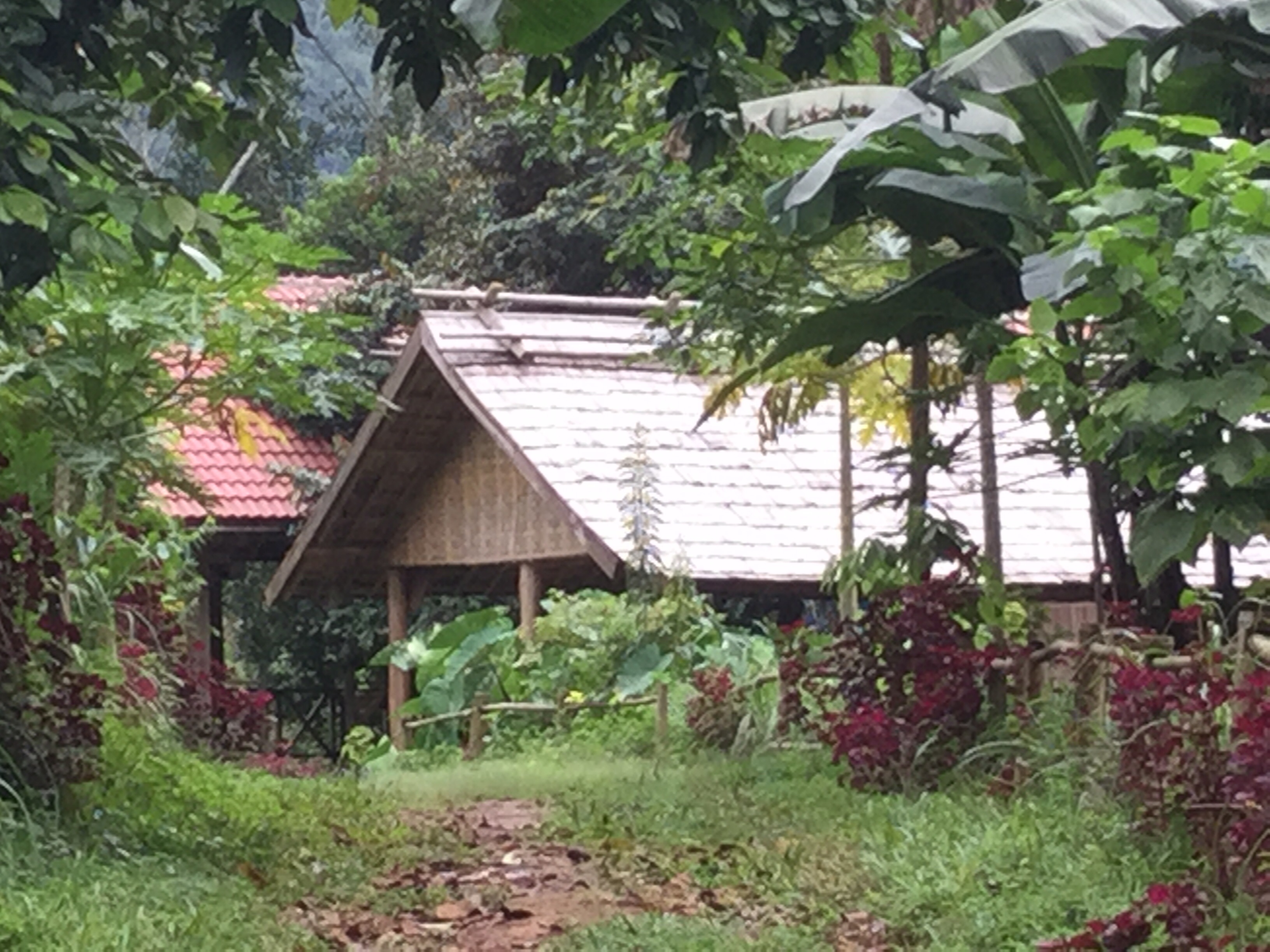
The Hmong Village was a fascinating place and the houses were all traditional but a new very basic medical building had recently been constructed. We walked through the village and our guide spoke about the village, it’s people, and some improvements which had taken place such as a new water supply and trying to get people to use a new toilet facility which had been installed. Our guide explained that Cholera still exists in this area due to unclean practices.
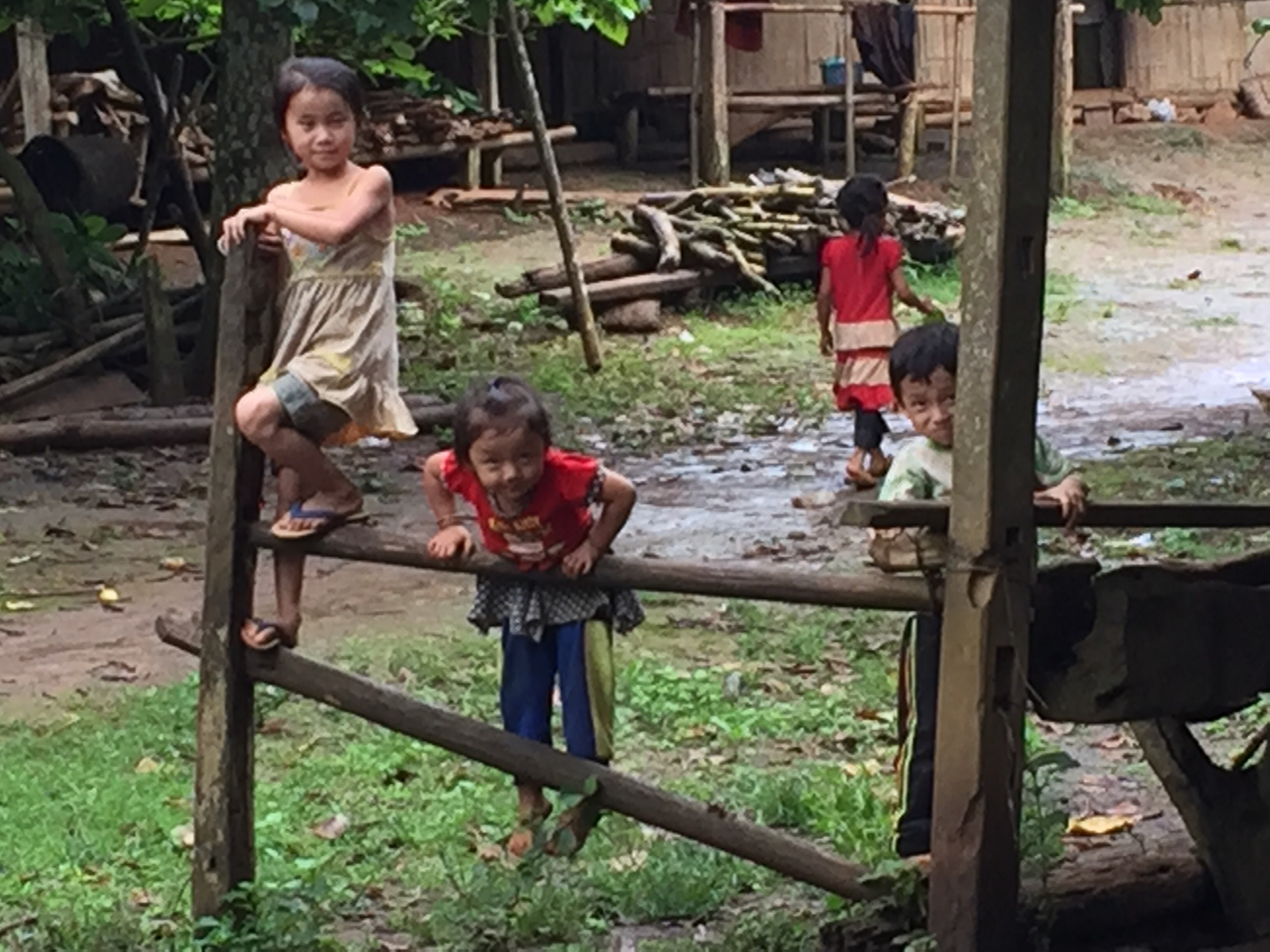 The people here are basically shy and the
 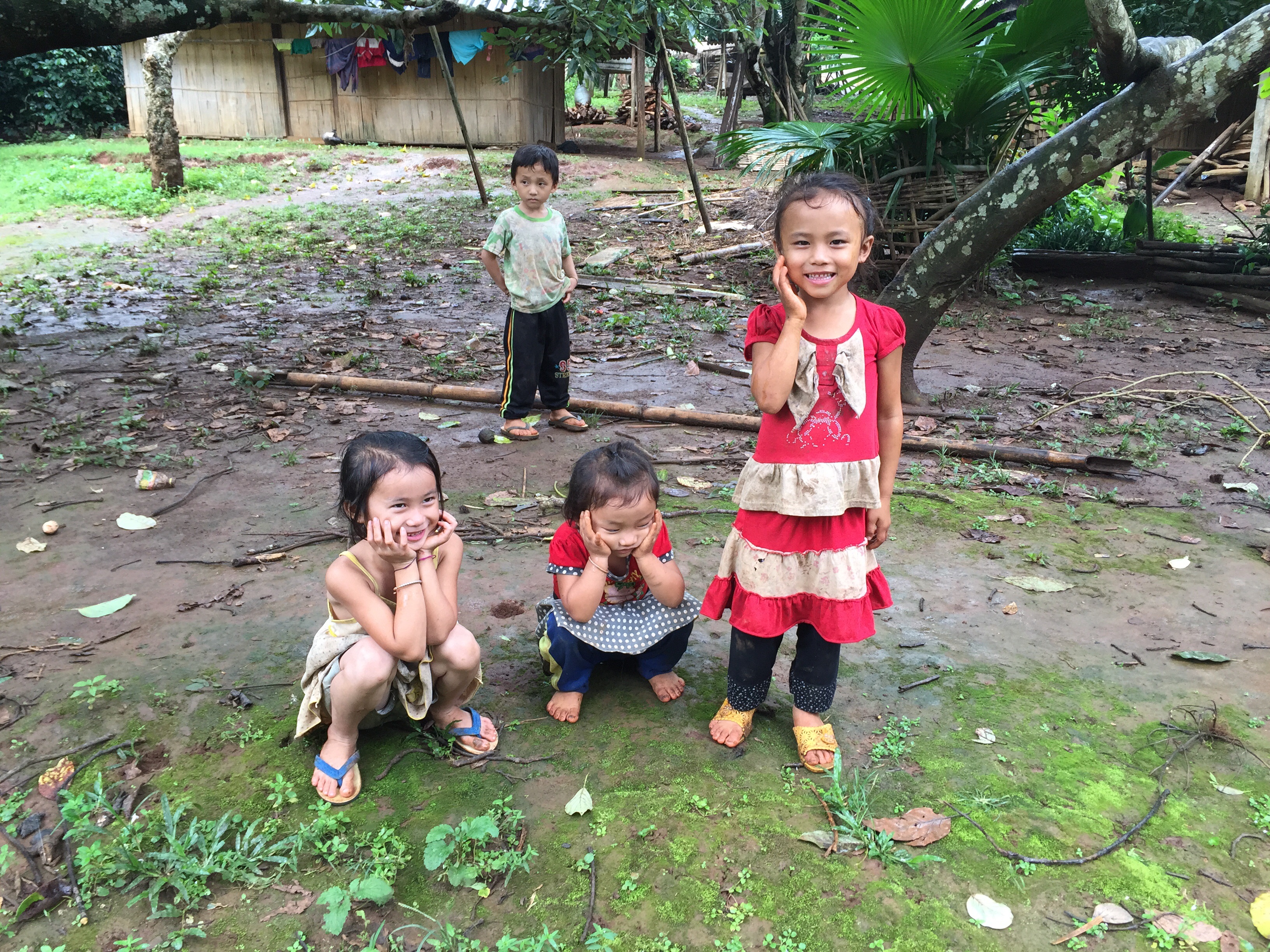 children took some time to overcome their shyness and pose for photographs
  but they were thrilled when you show them photos of themselves. These people are diehards who have no interest in
  coming down from their mountain village.
Growing all around the village were grapefruit, avocados, oranges, papaya, guava, rice and coffee beans.
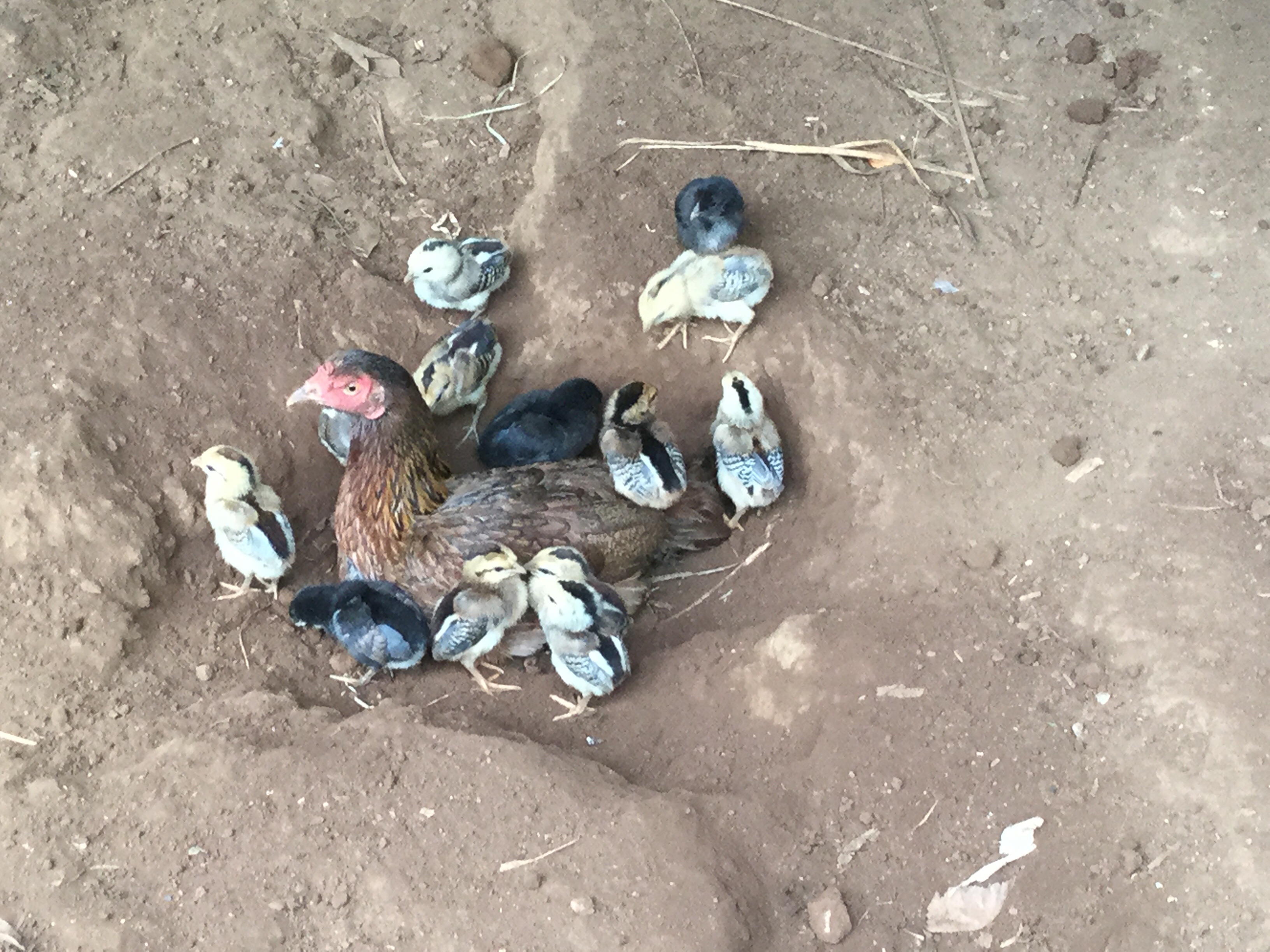 We sat and ate our lunch in the centre of the village on wooden benches in a covered area with dogs, ducks and chickens playing around us and looking for food. There was a small shop which sold drinks such as coke, Pepsi, 7UP and some children’s snacks.
These people are animists in terms of religious beliefs and have a shaman who also collects plants, herbs and roots and provides potions to deal with people’s ailments. Only as a last resort and if the shaman cannot provide assistance will the people go to the medical doctor.
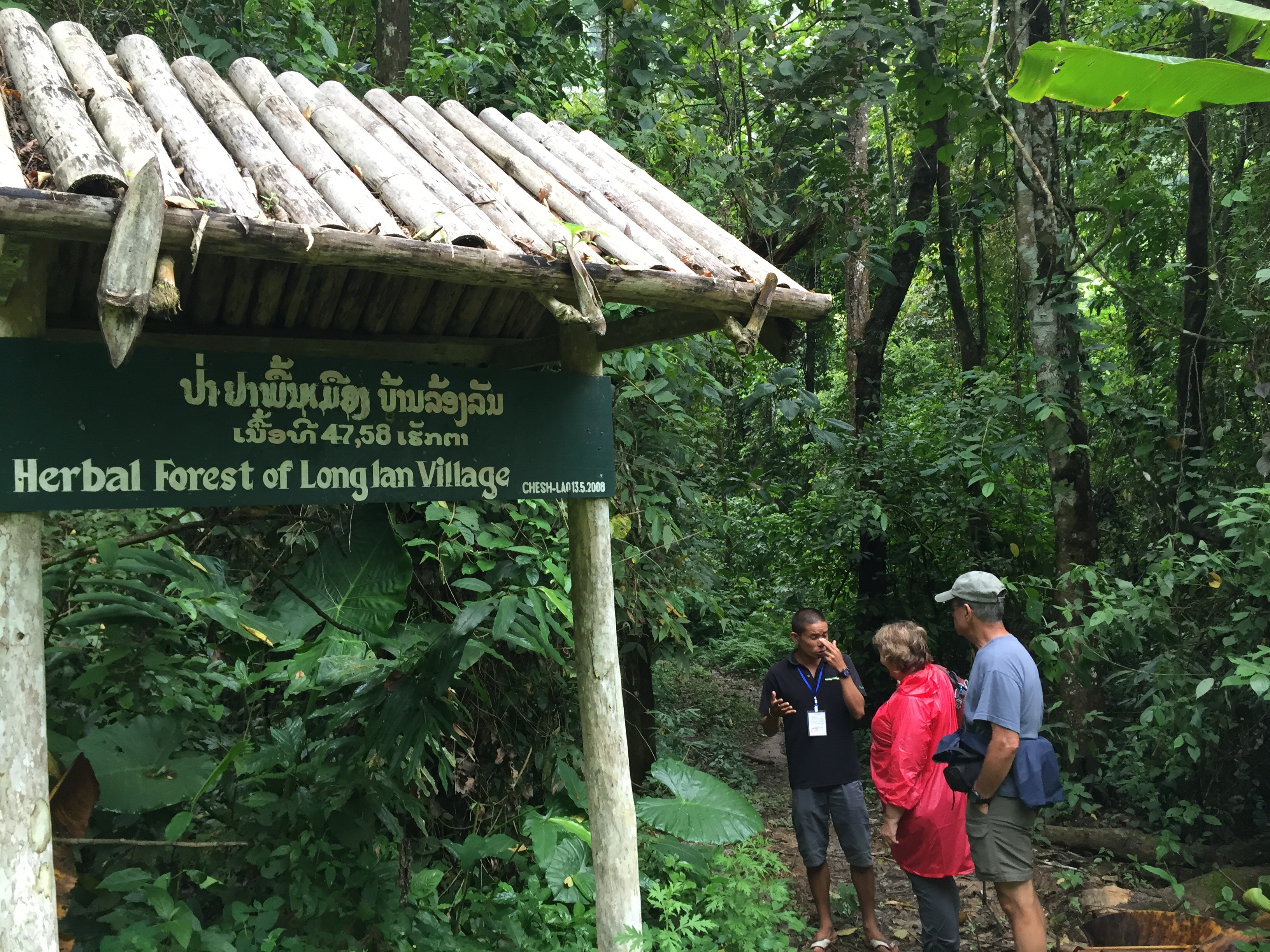
After lunch our guide took us to an area where herbs are collected and explained the different herbs growing there and their uses. We did not stay too long as the mosquitoes were very active in the forest.
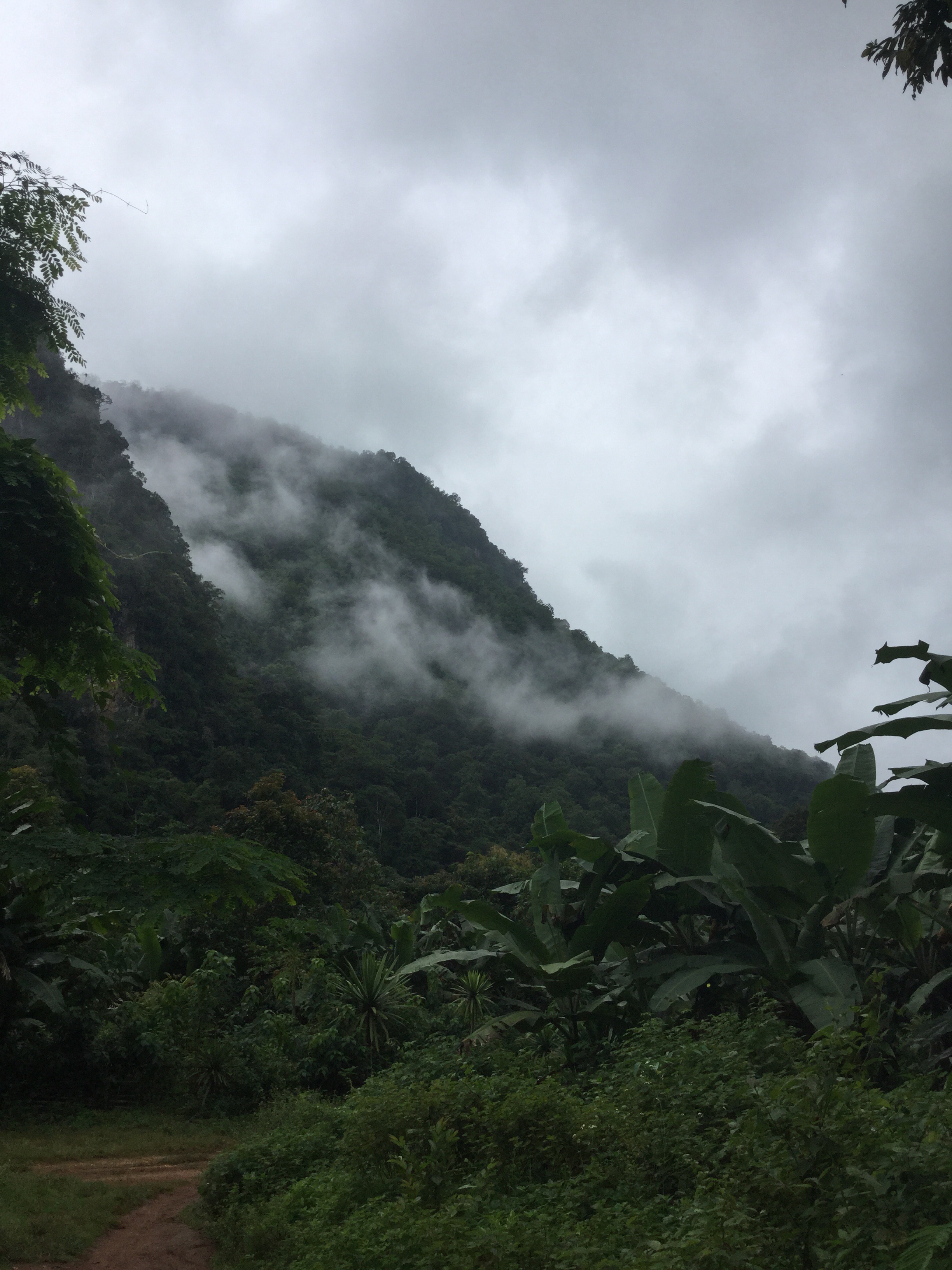 The people in these villages are farming in a traditional manner and growing crops as they have done for hundreds of years. They use a system of rotation and burn out areas of forest to clear for planting. On the hillsides they grow corn and there are also teak plantations as they use teak for buildings due to the long straight lengths of wood they get from the trees.
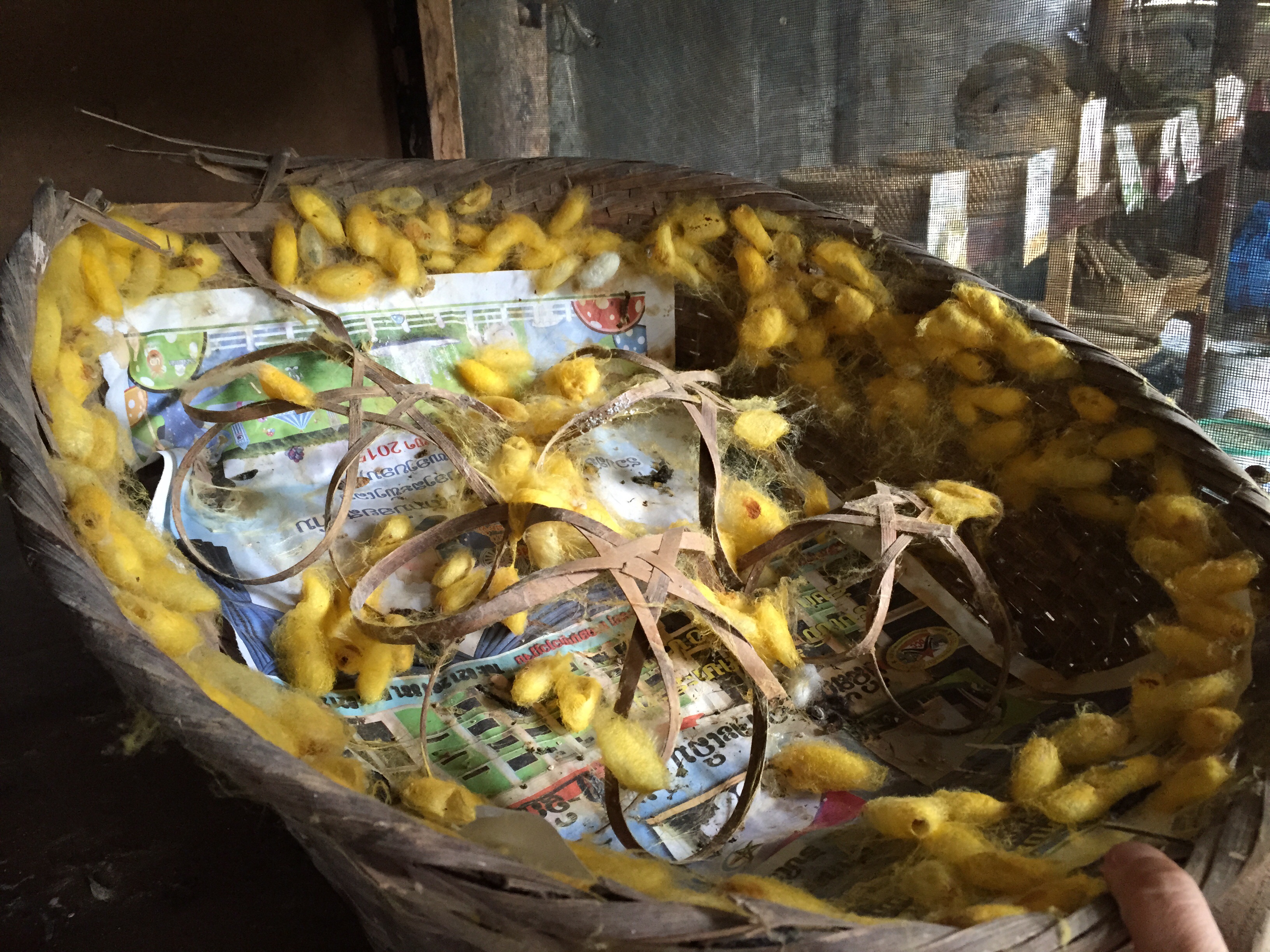
We descended from the mountain and went to visit another Hill tribe closer to Luang Prabang. This village is a centre of paper making and textile weaving. We were shown the processes for silk and paper production. We could also see the silkworms and the
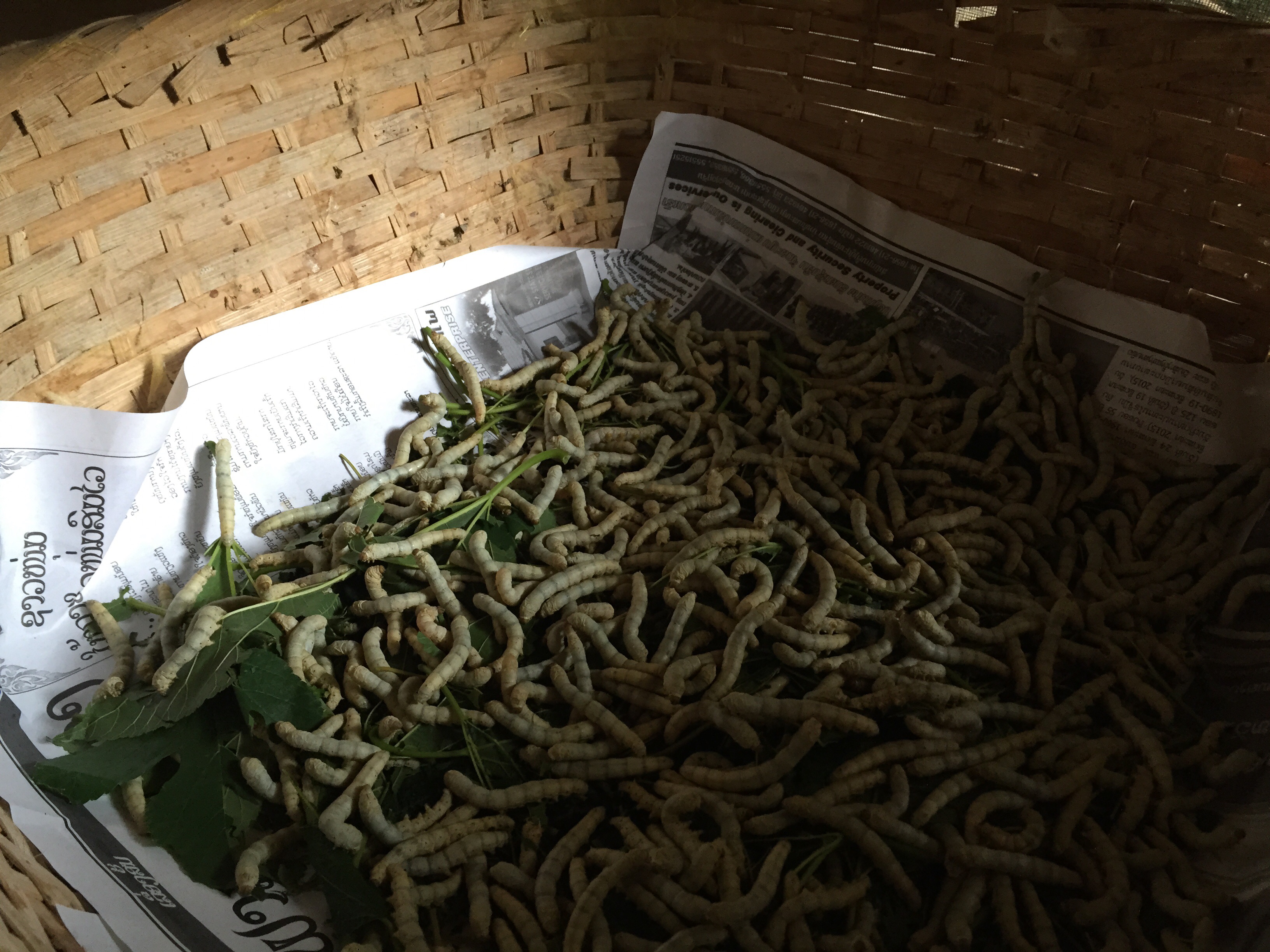
cocoons which are obviously used in creating the silk thread.
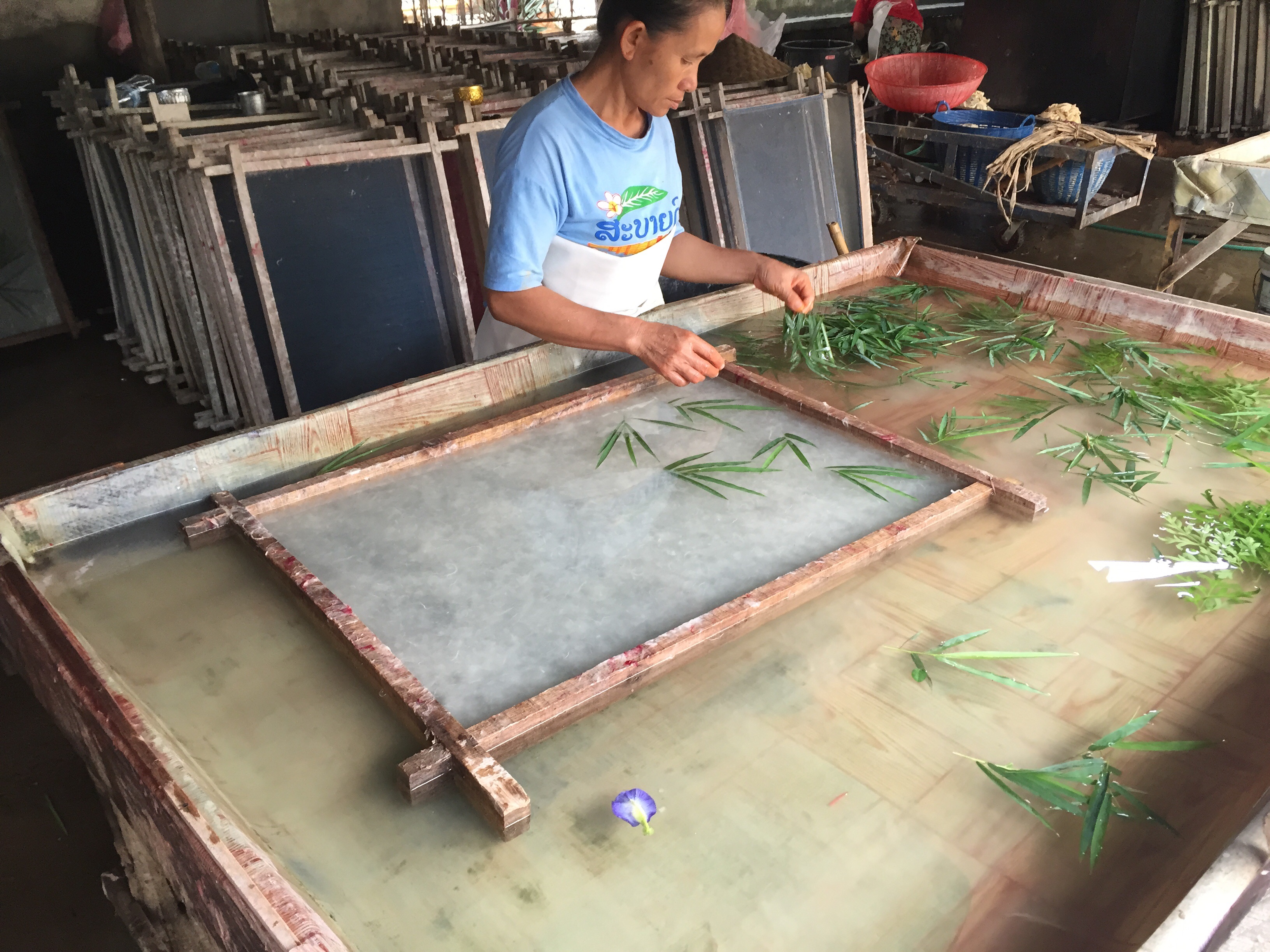
We saw an intriguing operation during the handmade paper manufacturing process where bamboo leaves were being inserted into 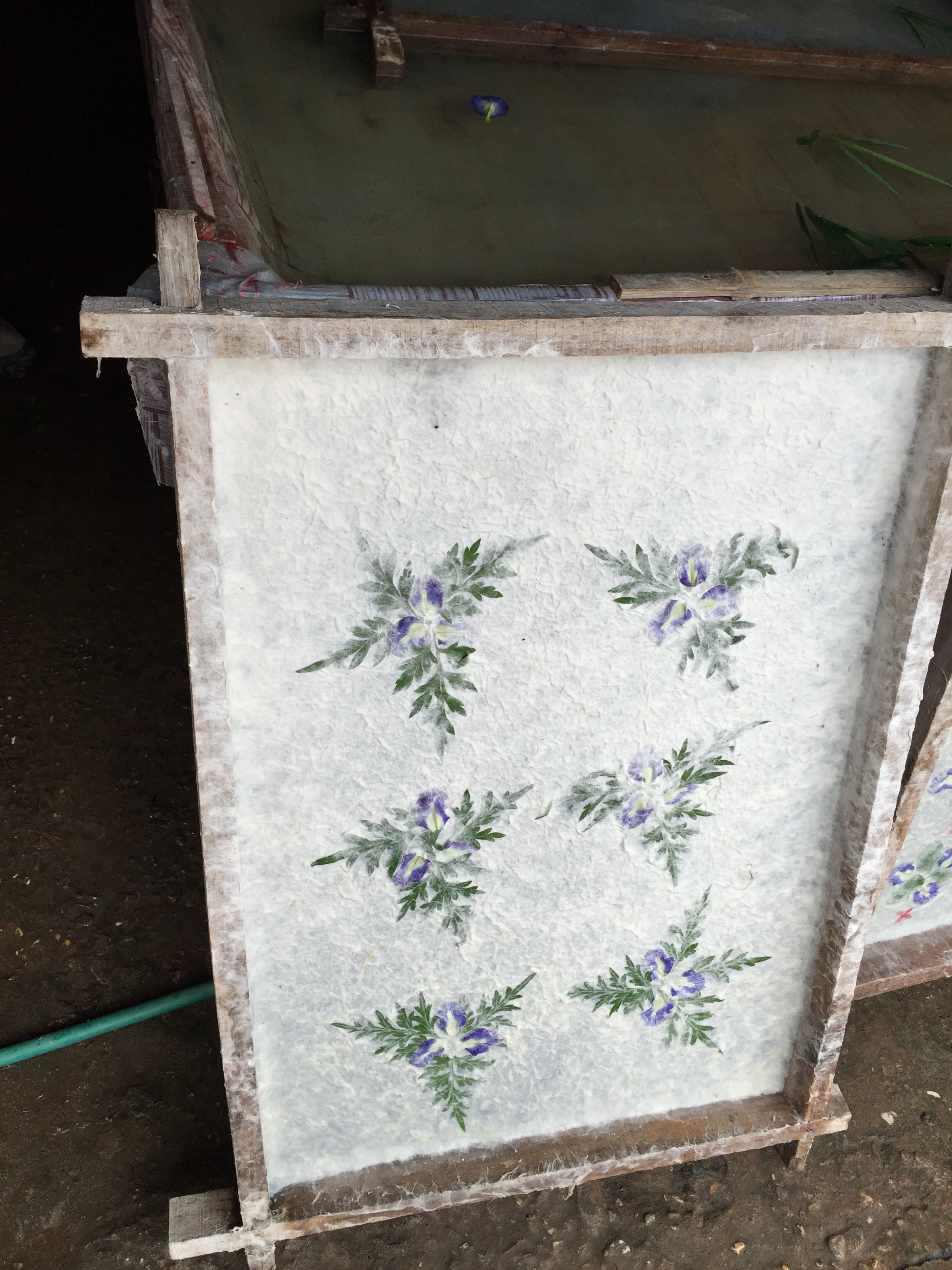 the paper and some of the paper produced was quite beautiful. I purchased a handmade paper journal as I will need another diary before I finish this journey.
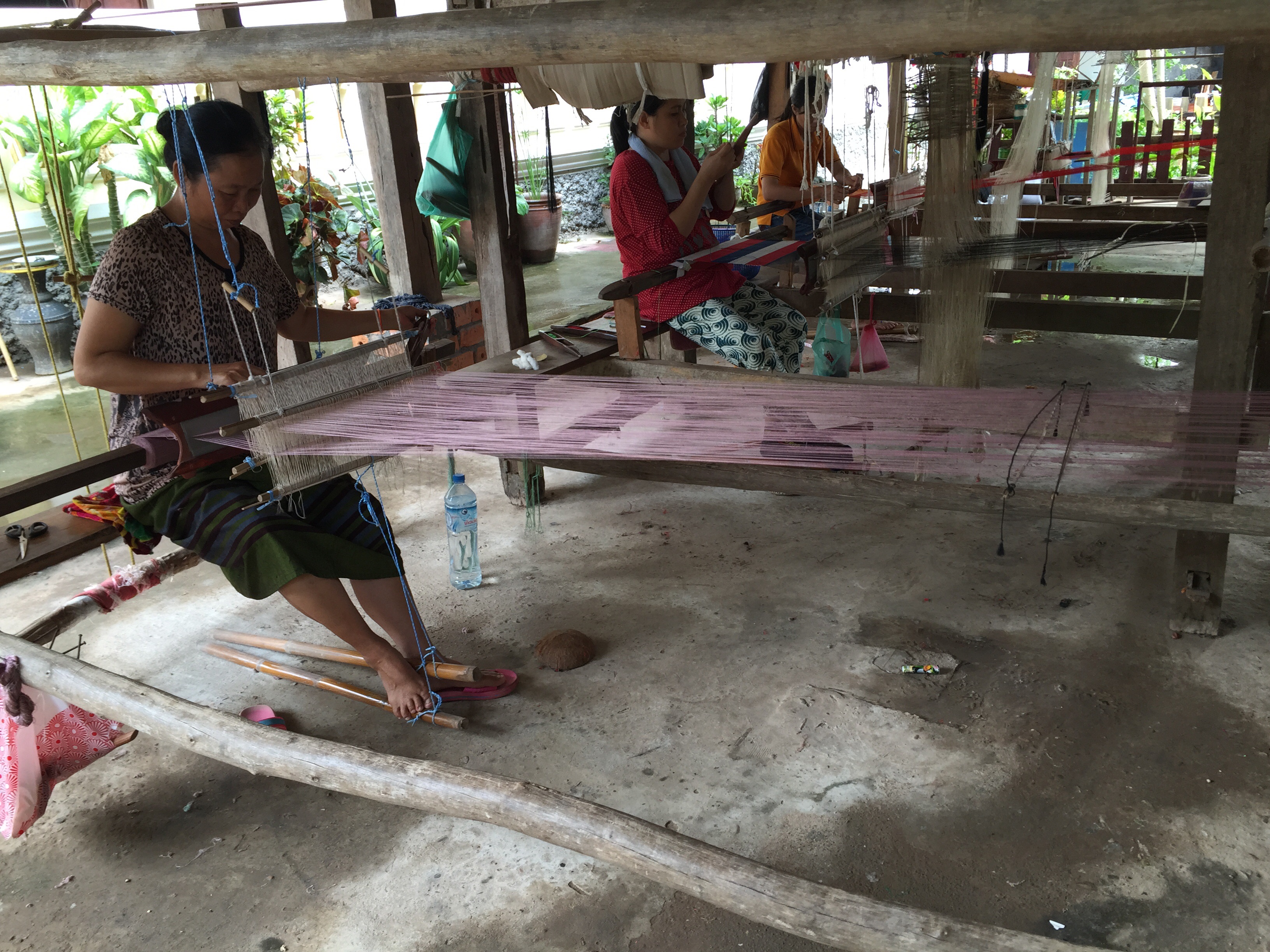
The visit to the Hill Tribe Villages was amazing and offered an unbelievable opportunity for an insight into the lives of people who are living a life that we could not imagine still exists. The rainforest also had a primeval appearance at times.
Wednesday 2nd September Luang Prabang to Oudomxay
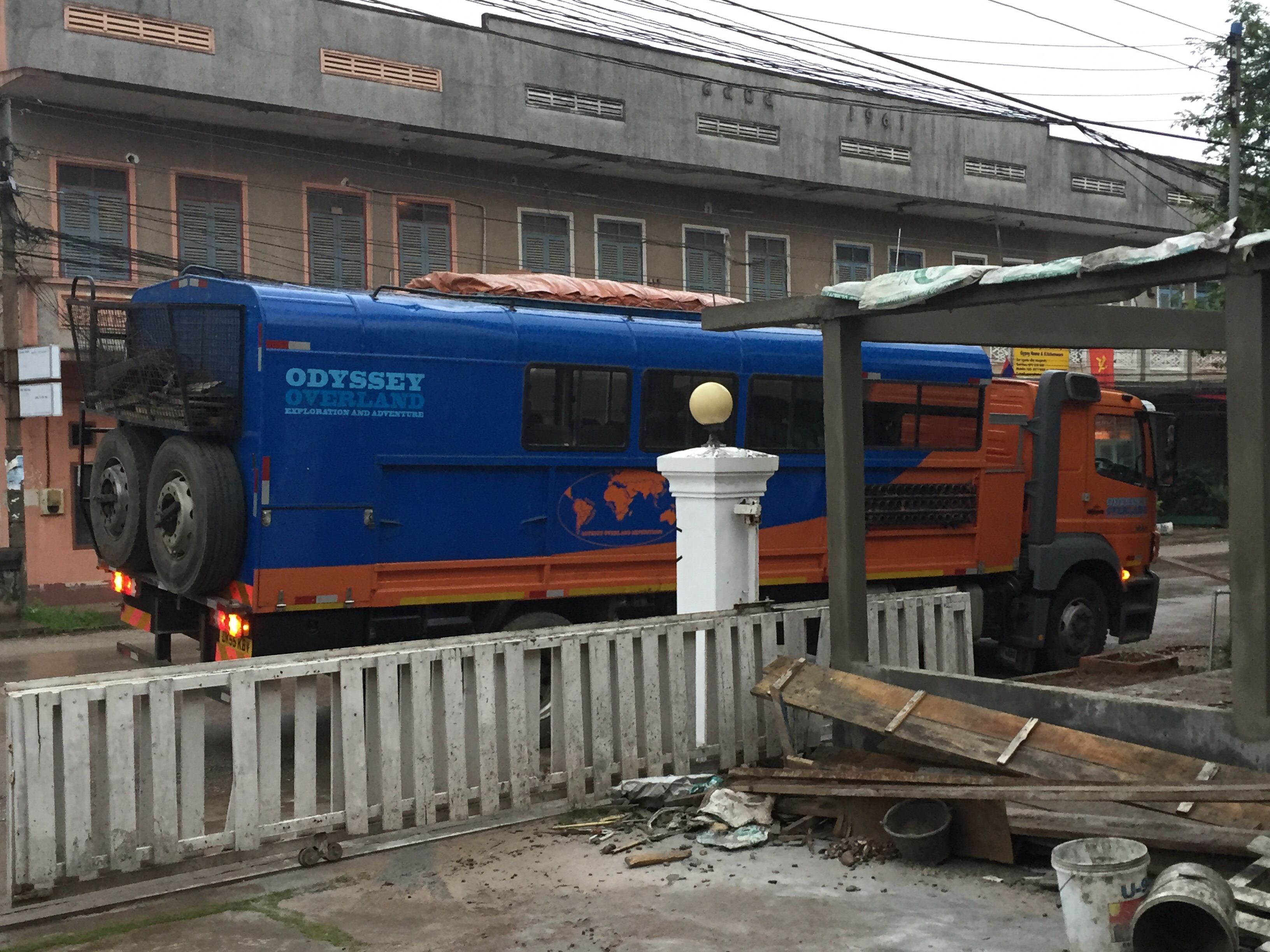
Up early this morning for breakfast at 6.30am as we are traveling to get close to the border with China as we are crossing there tomorrow. Today is the first day of our travels with our truck Penelope and this will be our mode of transportation for the rest of the trip except for the train journey to and from Lhasa, Tibet.

We begin our journey at 7.00am and head to
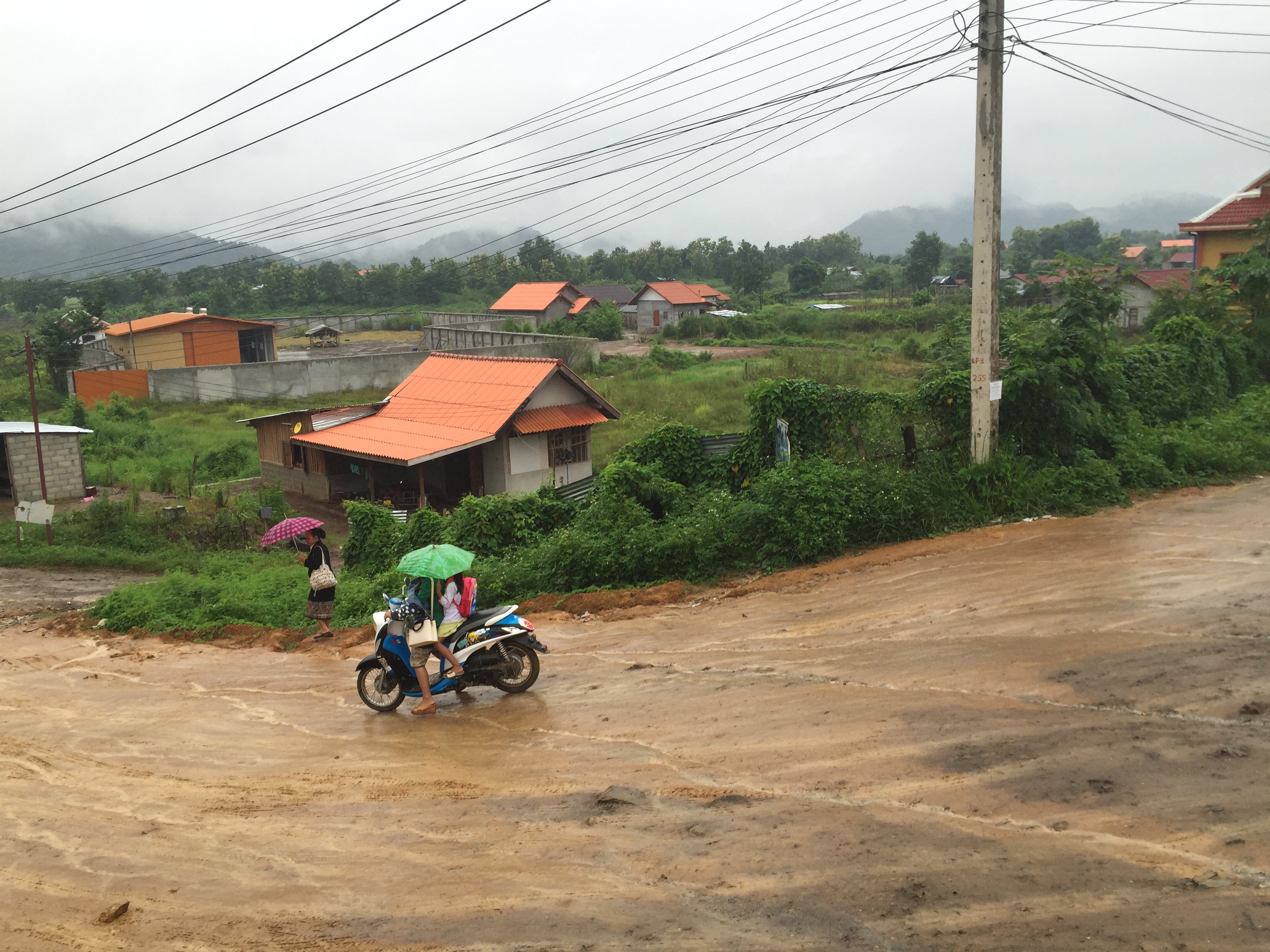
the town of Oudomxay which is a journey of 9 hours as we traveled over the mountains with passes of 4,500 feet in height. Staying in Oumodxay will position us nicely for a much shorter trip to the border the following day. 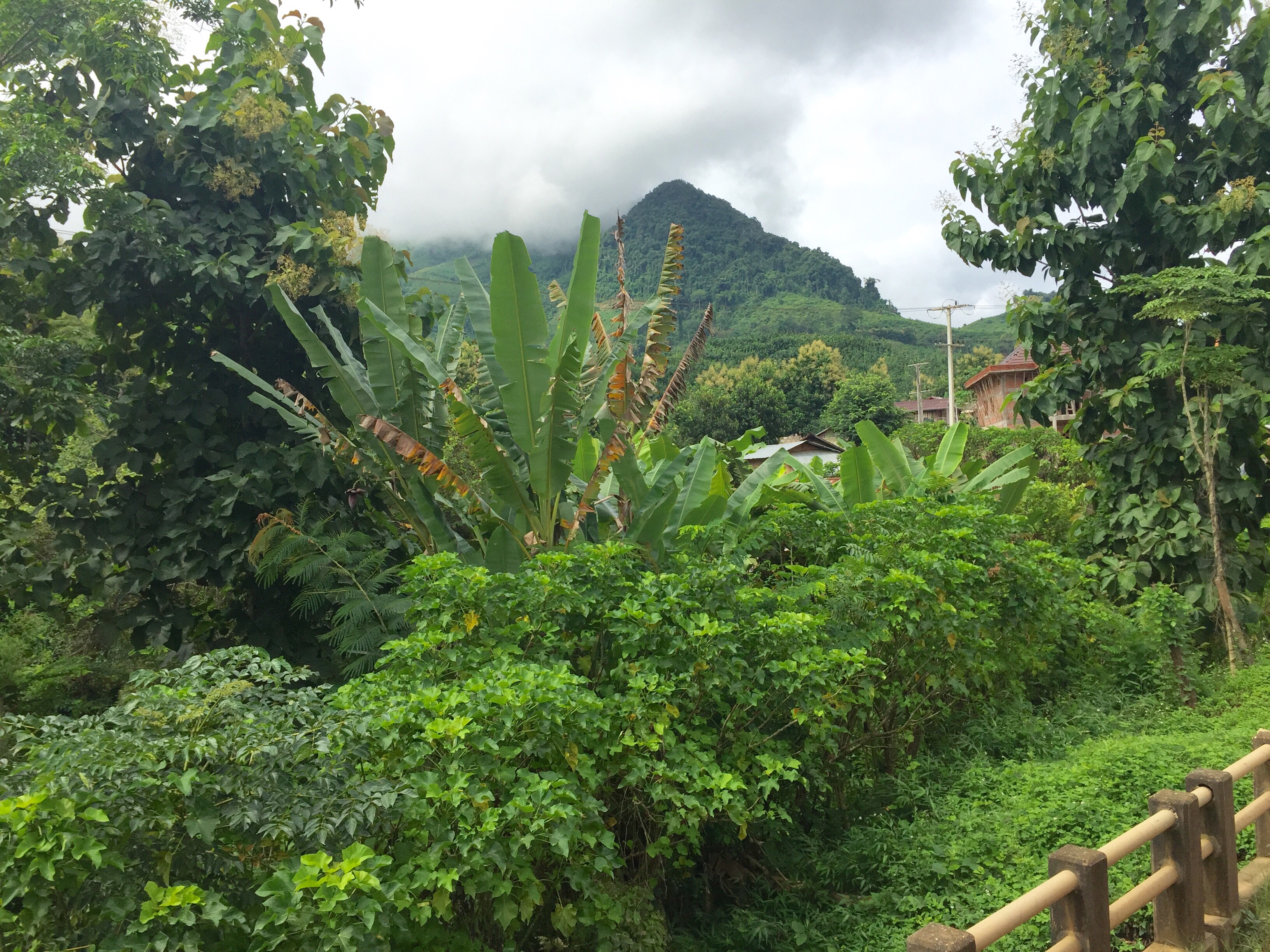 The scenery today was enthralling, lush greenery with bananas, teak, corn, and paddy fields, all shades of green.
 The road we travel was mainly under reconstruction and was in very poor state at times, between the steep hills and state of the road we were only going about 25 kilometres per hour. Along the side of the road were
  different settlements with a lot of traditional style houses and many are beside the road perched on the hillside overlooking the valleys below.
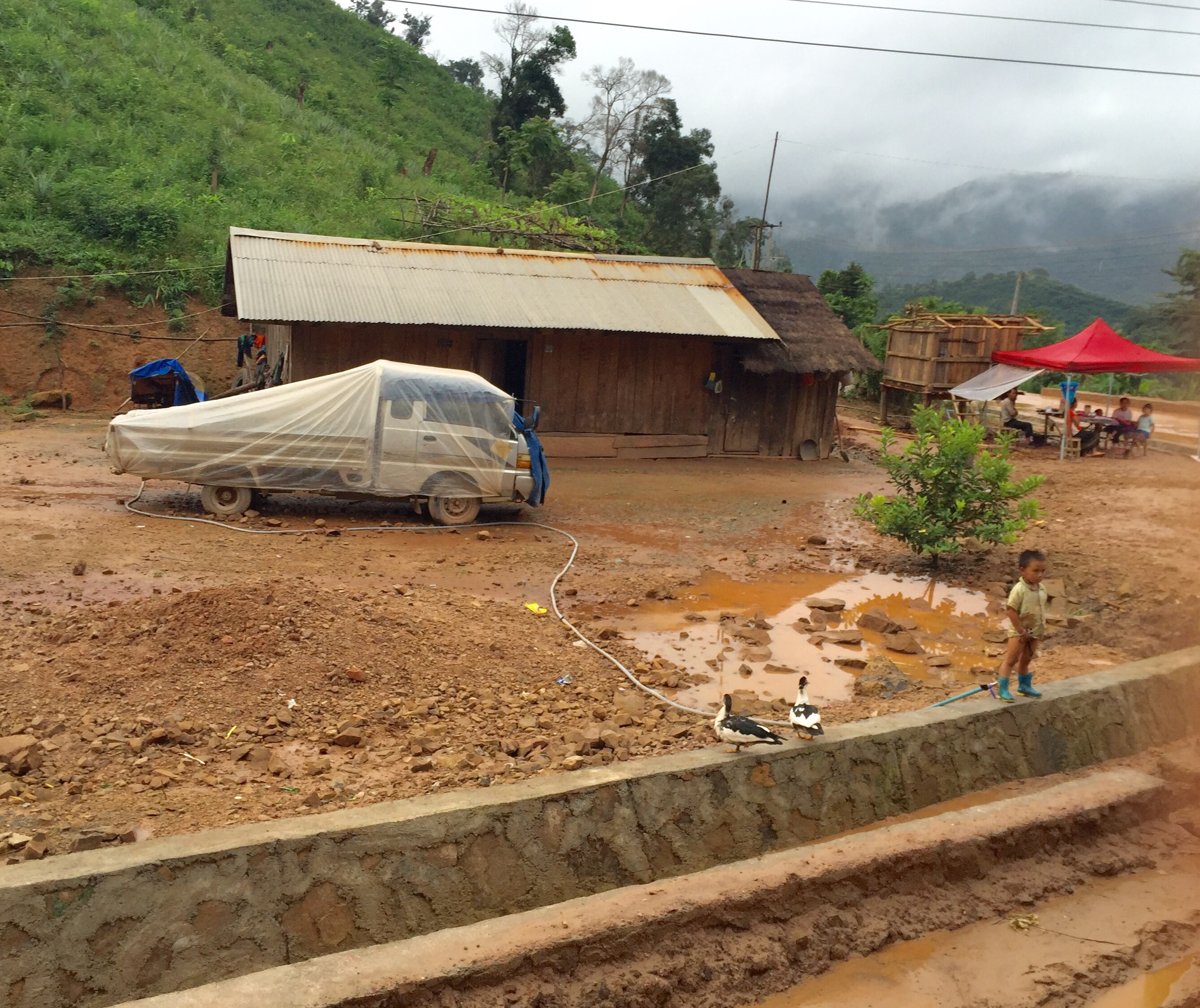 Children going to and coming from school in their pristine school uniforms walk along the kerb which was being constructed by hand by a construction crew. Other children play by the side of the road in muddy puddles and clamber over all sorts of construction rubble.
In order to cut down on stopping time on the road we had bought sandwich rolls the previous evening to have for lunch on the road. We stopped at a rest stop at the top of 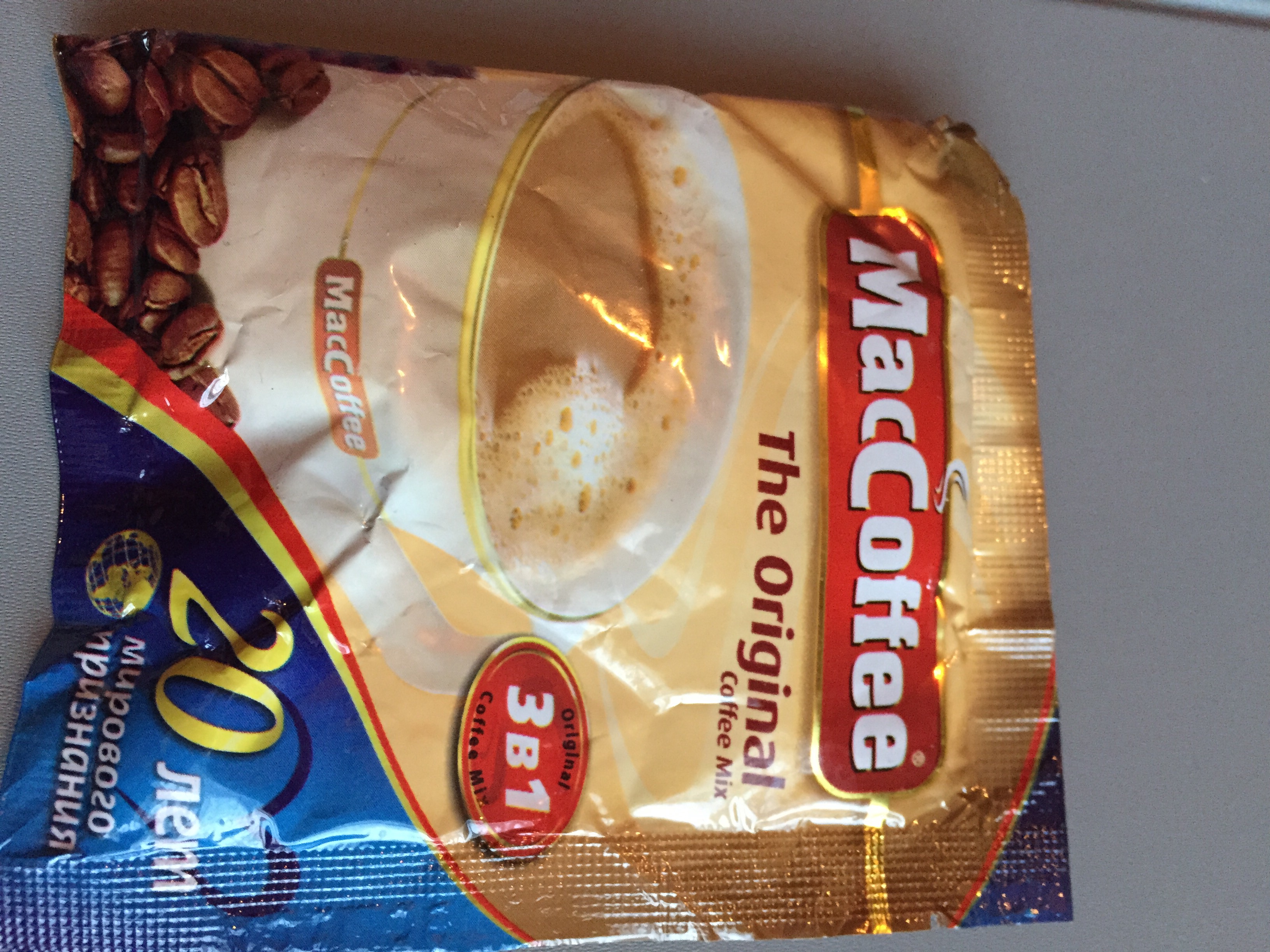 one of the mountain passes which had a restaurant and shop and went looking for coffee but like many places on the trip so far the only coffee available is packets of 3 in 1 which has a cream and sugar substitute added. This is an abomination as far as I am concerned and I cannot drink it as I like my coffee black.
The mention of the sandwich rolls reminds me that when we had lunch in the Hill Tribe Village we offered a half finished roll to some of the village children but while they tasted it they had no interest in eating any more.
As we travel through the countryside we are objects of intense interest and people will wave, smile and call out to us if we salute them.
In the afternoon a problem developed with our truck and a temporary repair was effected which allowed us to get to Oudomxay where our guides Izzie and Will spend approximately 4 hours working on the truck to make a repair that will allow us to continue our journey until they can get a new part.
 theoldmanontheroad
Hi Eugene, your discription of the boat trip and the people you you met on the Mekong is fascinating. Keep the blog going and take care. All the best Philip and Mary
LikeLike